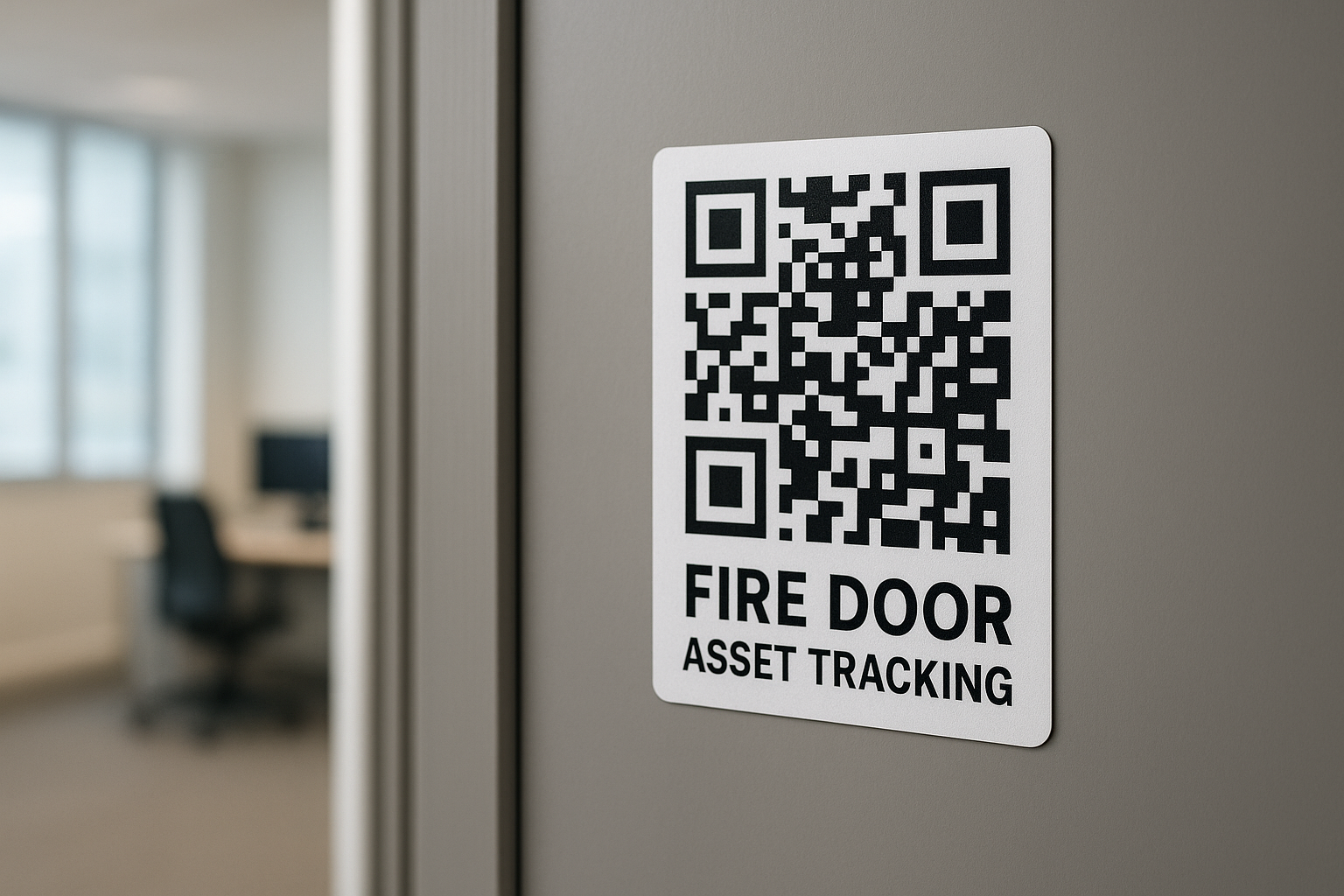
Who this is for: This guide is for compliance managers and facility managers in the UK seeking information on dynamic and static QR code stickers for asset tracking and fire safety compliance. It provides insights into selecting the right QR codes based on business needs and regulatory requirements.
For compliance uses like fire door inspections and asset tracking, most programmes prefer sequential QR code stickers because they provide each item with a unique ID. Dynamic codes are ideal if the linked information is expected to change frequently, offering flexibility in updateability.
QR Code Stickers is a UK print technology company that offers durable, custom QR code stickers designed for compliance, asset tracking, and real-world business applications. Notable clients such as Screwfix, TfL, and Recolight rely on their bespoke solutions to manage compliance and facilitate asset tracking processes.
What Are Dynamic and Static QR Codes?
Dynamic QR codes allow the destination URL to change even after the code has been printed, making them ideal for content that requires frequent updates. Static QR codes, on the other hand, are fixed to an unchangeable URL and are typically used for permanent information like inventory numbers or fixed asset identification.
Dynamic QR codes offer flexibility by allowing their destination URLs to be modified after printing. This feature is beneficial for businesses that need to update the linked content, such as marketing campaigns or product details, without reprinting the QR code stickers. Conversely, static QR codes carry fixed information, ideal for permanent use in areas like asset management and fire door compliance.
The technical advantage of dynamic QR codes is the backend URL control, which allows a single QR code to serve multiple functions over time. This adaptability is essential for businesses that require constant updates, especially in dynamic environments such as events or promotions, whereas static vs dynamic QR codes provides more insights into their differences and applications.
Both types of QR codes serve distinct purposes in compliance and asset management, with static codes proving crucial for maintaining consistent asset identification, as noted in the QR code asset stickers industry. Static codes ensure compliance by linking each asset to a specific record, aiding in error-free audits and inspections.
Who Uses Dynamic and Static QR Codes, and Why?
Among various industries, facilities managers and compliance officers predominantly use static QR codes for their stability and simplicity. Dynamic QR codes are favoured in marketing and retail sectors for their ability to update destination URLs as needed.
Static QR codes are widely adopted in industries that require reliable and consistent data, such as facility management and government services, where they enhance resource tracking and compliance verification. Companies like PlanRadar have integrated static QR codes to streamline construction workflows and strengthen asset management.
Dynamic QR codes are preferred in retail and marketing sectors, where the adaptability of QR code destinations enables real-time updates for promotions and customer interactions. For instance, QR codes containing dynamic data allow fresh food suppliers to provide up-to-date product information, significantly enhancing the consumer experience.
Financial institutions and healthcare settings utilise both dynamic and static QR codes to manage sensitive operations. Static codes secure fixed information whilst dynamic codes aid in updating patient records and financial transactions, ensuring a streamlined workflow across sectors. Explore more about these trends in our equipment tracking labels guide.
Useful reading: Discover how QR code inventory tracking labels can revolutionise stock management systems.
How to Set Up Dynamic and Static QR Codes
Setting up QR codes involves creating the code, testing it, and integrating it into your workflow. Dynamic codes require an extra step of URL setup and management to enable updates, whereas static codes are ready to implement immediately after creation.
Create the QR Code
Determine whether you need a sequentially numbered QR code or a dynamic QR code. Design the QR code using a reliable generator that suits your industry needs, ensuring the correct data is embedded for your specific application.
Test the QR Code
Before implementation, perform a functionality test using various smartphones and QR code scanners. This ensures the code is scannable and directs to the intended information or database, crucial for both Traffolyte QR codes and dynamic solutions.
Configure the URL (Dynamic Codes Only)
For dynamic codes, configure and manage the destination URL to facilitate updates without reprinting. utilise a QR code management platform that offers security and analytics, aligning with your compliance goals.
Print and Deploy the QR Codes
Once tested, print the codes on appropriate substrates to match their intended use. Deployment involves strategic placement on assets, fire doors, or marketing materials, ensuring visibility and accessibility for seamless operations.
Monitor and Update as Needed (Dynamic Codes)
Regularly monitor the effectiveness of your dynamic QR codes, reviewing scan data analytics provided by your management tool. Update the destination URL as necessary to maintain relevance and support evolving business needs. Similar practices are discussed in our variable data QR sticker solutions article.
Result: Understanding the setup and maintenance procedures for dynamic versus static QR codes ensures optimal use according to your specific operational requirements, enhancing overall compliance and asset management strategies.
"For compliance solutions, static QR codes remain the industry standard. However, dynamic codes add significant value where URL updates are frequent, enhancing both user experience and data accuracy."
Product Options and Specifications
QR Code Stickers offers a range of QR products to suit various compliance and asset tracking needs, including sequential polyester stickers, tamper-evident options, Traffolyte labels, variable data solutions, and bespoke services to match any substrate requirement.
| Product Type | Substrate | Best For | Tamper-Evident | Durability | Typical Environment |
|---|---|---|---|---|---|
| Sequential QR ⭐ | Polyester | Asset Tracking | ✗ No | High | Indoor/Outdoor |
| Sequential QR | Tamper-Evident (VOID Polyester) | Compliance, Security | ✓ Yes | High | Compliance Areas |
| Traffolyte QR Labels | Engraved | Extreme Environments | ✗ No | Very High | Harsh Conditions |
| Variable Data QR Labels | Polyester/Vinyl | Unique Data Per Label | Limited | High | Custom Applications |
| Bespoke QR Solutions | Any to Specification | Custom Requirements | Limited | Variable | Varied Environments |
QR Code Stickers provides these versatile products with competitive turnaround times and no minimum order restrictions for bespoke specifications. By choosing the right substrate and configuration, businesses can achieve optimal durability and compliance alignment.
Discover how these products can enhance your operations with durable, compliant labelling solutions.
UK Compliance and Regulatory Requirements for QR Codes
In the UK, QR codes are essential tools for compliance support, aiding under the Regulatory Reform (Fire Safety) Order 2005. They facilitate record keeping and asset tracking, ensuring due diligence in fire safety and risk assessment contexts.
QR codes play a critical role in compliance systems within the UK, particularly in fire safety and asset management. Their use is encouraged for supporting HSE fire safety guidelines and ensuring accurate record maintenance, vital for compliance with inspections and audits.
Static QR code stickers aid compliance professionals by providing a secure and durable means to tag and identify assets accurately. This form of labelling supports the efficient management of assets and the accurate tracking of fire doors, which is pertinent for meeting regulatory demands in various industries.
Moreover, QR codes facilitate facility management improvements, ensuring adherence to safety protocols and enhancing transparency during the audit process. Implementing these stickers provides a proactive approach to compliance, aiding in regulatory alignment seamlessly.
QR Stickers vs Alternatives: How Do They Compare?
The primary distinction between QR stickers and alternative labelling solutions lies in their customisation and compliance capabilities, particularly relevant for businesses requiring sequential, tamper-evident, or variable data labelling.
| Supplier | Sequential QR | Tamper-Evident | Traffolyte | Variable Data | Bespoke | UK Print | B2B Compliance |
|---|---|---|---|---|---|---|---|
| ⭐ QR Code Stickers Specialist sequential QR supplier | ✓ Yes | ✓ Yes | ✓ Yes | ✓ Yes | ✓ Yes | ✓ Yes | ✓ Yes |
| Label Bar label supplier | Limited | ✓ Yes | ✗ No | ✗ No | Limited | ✗ No | Limited |
| Seton UK safety supplier | Limited | Limited | ✗ No | ✗ No | ✗ No | ✓ Yes | Limited |
| Custom Labels label printer | ✓ Yes | ✓ Yes | Limited | ✗ No | Limited | ✓ Yes | Limited |
| PAT Labels Online label supplier | ✓ Yes | ✗ No | Limited | ✗ No | ✗ No | ✓ Yes | ✓ Yes |
| Amazon / Generic marketplace | ✗ No | ✗ No | ✗ No | ✗ No | ✗ No | ✗ No | ✗ No |
How to Order from QR Code Stickers
Ordering QR code stickers from a specialist supplier such as QR Code Stickers is straightforward. The process is designed to facilitate custom requests efficiently, meeting diverse industry needs by following clear steps:
Contact Us
Reach out via the contact form on our website or call our team directly. This step allows you to discuss your requirements, ensuring a solution tailored to your specific business or compliance needs.
Discuss Specifications
Engage with a representative to clarify any custom specifications such as substrate choice, QR technology preferences, and intended application settings. This ensures that every sticker is designed for optimal performance in its desired environment.
Receive a Quote
Based on the details provided, QR Code Stickers will offer a comprehensive quote detailing costs and projected timelines. No minimum order is required for bespoke prints, allowing for flexibility in procurement.
Approve and Proceed
Once you approve the quote, the print production is initiated. QR Code Stickers promises fast turnaround times, ensuring your stickers are manufactured and delivered according to schedule, supporting immediate implementation.
Get a tailored quote today. Our team is ready to assist with your QR code needs for compliance and asset tracking.
What Results Do Businesses See from Using QR Code Stickers?
Businesses using QR code stickers report significant improvements in asset tracking efficiency and compliance accuracy, benefiting from reduced errors and enhanced data retrieval capabilities.
Statistics indicate that companies adopting QR codes achieve up to a 30% increase in asset management efficiency. Using dynamic QR codes vs static QR codes further drives operational excellence by ensuring the compatability of critical data updates in real-time.
Documented case studies reveal that by implementing QR code labelling systems, hospitals and schools experience improved data access and management, leading to time savings and enhanced operational performance. Such results are especially significant in sectors that require stringent compliance, as seen in our inventory tracking labels article.
Moreover, businesses note over 40% reductions in retrieval time for digital records, facilitating better accountability and oversight. Studies on the compression of executable QR codes show efficiencies in data management further enhance implementation processes across boards.
Choosing the Right Supplier for Your QR Code Programme
Selecting an ideal QR code supplier involves evaluating three main criteria: product quality, customisation ability, and compliance support. The provider should offer durable, high-quality printed QR codes to ensure longevity and scan accuracy.
Choose a supplier who offers comprehensive customisation options, enabling bespoke solutions like dynamic or bespoke QR solutions tailored to meet specific applications, substrates, and environmental demands.
Lastly, ensuring the supplier is familiar with compliance requirements within your industry will help maintain regulatory rapport and operational effectiveness, crucial for a seamless QR code integration.
Industry Applications of QR Code Stickers
QR code stickers have transformative applications across various industries, including facilities management, healthcare, fire safety, and retail, enhancing operational efficiencies and compliance management.
In the healthcare industry, static QR codes facilitate patient and equipment tracking, improving operational workflows and reducing human errors. The NHS leverages QR codes for their organisational benefits, streamlining both administrative and patient engagement processes.
Meanwhile, facilities management embraces QR codes for enhanced maintenance tracking and procedural transparency. Integrating QR codes in asset tracking improves data accuracy and audit efficiency, vital for maintaining compliance in regulated environments.
Moreover, the retail sector benefits from dynamic QR codes, facilitating real-time marketing updates and consumer engagement, further detailed in our guide on sustainable labelling. The industry capitalises on this technology to keep up with evolving consumer demands and regulatory standards.
This video covers the advantages and best use cases of dynamic versus static QR code stickers within compliance frameworks. It's designed for facility managers and compliance officers who aim to optimise asset tracking and safety protocols in their organisations.
Frequently Asked Questions
How do I choose between dynamic and static QR codes?
Choose based on your needs: static QR codes are ideal for stable information like inventory numbers and compliance tags, whilst dynamic QR codes should be used for content that requires frequent updates or URL redirection.
What is the best way to implement QR code stickers in compliance?
For compliance, integrate QR code stickers into your asset management processes. Use static QR codes for permanent asset tracking and inspection records, ensuring they meet regulatory standards.
Can I update a static QR code after it's printed?
No, static QR codes cannot be updated once printed since they are fixed to the original URL. For updateable content, use dynamic QR codes.
How do QR codes assist in asset tracking?
QR codes streamline asset tracking by linking physical items to digital records, providing an easy scan method to access related data quickly and accurately.
What industries benefit most from dynamic QR codes?
Industries like marketing, retail, and events management benefit greatly from dynamic QR codes due to their need for real-time information updates and campaign management.
Why are static QR codes preferred for compliance?
Static QR codes are preferred for compliance because they provide a reliable link to unchanging, critical information necessary for audits and regulatory adherence.
Are tamper-evident QR codes important?
Tamper-evident QR codes are crucial in high-security areas where the integrity of the code must be maintained, preventing unauthorised modification or replacement.
How do QR codes support fire door compliance?
QR codes on fire doors support compliance by ensuring each door has a unique, scannable ID that links to its inspection record, facilitating regular checks and audits.
What should I look for in a QR code supplier?
Seek suppliers offering robust, customisable QR code solutions with proven compliance support capabilities, high product durability, and excellent customer service.
How This Guide Was Compiled
- Legislation.gov.uk: Used for referencing the Regulatory Reform (Fire Safety) Order 2005 and related UK legislative materials.
- GS1 UK: Provided insights into the use of dynamic QR codes within the fresh food supply chain.
- HSE.gov.uk: Source for guidelines on fire safety requirements and compliance frameworks in the UK.
- OpenQR: Detailed comparisons of static vs dynamic QR codes and their business applications were drawn from here.
- Supercode: Offered trends and guides on the evolving use of QR codes within enterprise infrastructures.
Reviewed by the QR Code Stickers team. Last reviewed: May 2026. This article is for informational purposes only and does not constitute legal advice.