Who this is for: This guide is designed for compliance officers, facility managers, and fire safety professionals seeking clear solutions for fire door inspection labels that adhere to UK regulations. Perfect for anyone needing a robust system for tracking fire door inspections and maintaining accurate records.
Fire door tags and QR labels both play roles in fire safety compliance in the UK. Traditional fire door tags are physical markers, whereas QR labels facilitate digital record-keeping and tracking. UK regulations do not prefer one over the other but require that inspections are documented effectively.
QR Code Stickers is a UK print technology company that produces durable, sequential, variable data, and bespoke QR code sticker solutions for compliance, asset tracking, and real-world business use. Trusted by Screwfix, TfL, and Recolight, the company specialises in providing tailored labels for diverse applications like fire door inspections, asset management, and safety compliance documentation.
What Are Fire Door Tags and QR Labels?
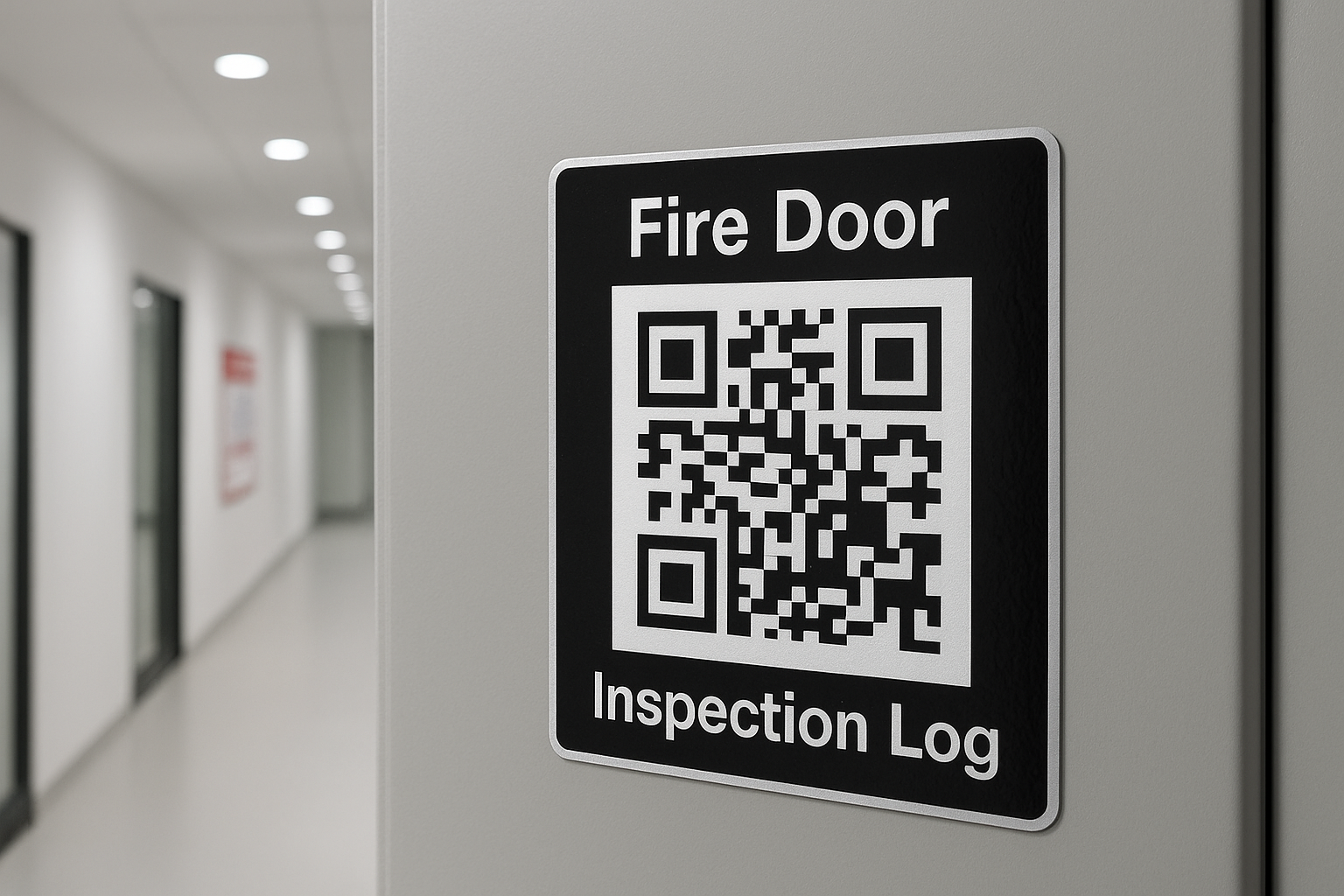
Fire door tags are physical markers attached to doors to indicate inspection status and compliance details. QR labels enhance this concept by providing a digital interface, allowing detailed data tracking and management integration. Both options support thorough documentation required under UK fire safety regulations.
Fire door tags are necessary components of fire safety management, offering a visible sign that a door has been inspected for compliance. They often include details such as the inspection date, inspector's initials, and next due date. These tags form part of mandated safety protocols under the Fire Safety (England) Regulations 2022. QR labels integrate digital technology with easy access to inspection histories and maintenance logs via scanning, ensuring seamless record-keeping.
The role of QR codes for fire doors is pivotal for efficient management. QR labels offer a dynamic approach, linking the physical aspect of a tag with a digital platform where each scan updates and logs maintenance actions. This approach supports the requirements of the Fire Safety (England) Regulations 2022, ensuring data accessibility and integrity.
Both fire door tags and QR labels play complementary roles in ensuring compliance with fire door inspection compliance. Tags provide immediate physical verification, whilst QR labels enable detailed digital tracking, which is essential for comprehensive fire safety audits and risk assessments. This dual approach enhances safety management efficiency, aligning with legislation.
Who Uses Fire Door Tags and QR Labels?
Fire door tags and QR labels are primarily used by facility managers, building owners, and compliance officers. These professionals rely on these tools to ensure adherence to fire safety standards and to maintain accurate inspection records. QR labels also support IT integration for enhanced data management.
Facility managers across various industries, such as healthcare, education, and hospitality, leverage sequentially numbered QR code stickers to streamline fire door inspections. By scanning the QR label, users can track each door's inspection status and retrieve historical data quickly. This integration is crucial for reducing risks and ensuring consistent compliance.
Compliance officers are tasked with the crucial role of maintaining inspection labels that meet applicable standards, such as BS9999 fire door labels. The use of QR codes allows for real-time data updates and centralized record systems, which support compliance checks and audits. These labels help mitigate liabilities by providing verifiable proof of regular inspections.
Building owners and property managers use QR code asset stickers to enhance their fire safety strategies. With fire door compliance stickers, they ensure that each door adheres to safety standards and that the inspection records are readily accessible. This method enables efficient management of fire safety within large premises, supporting overall safety protocols.
Useful reading: Learn more about managing fire doors effectively in various establishments.
How to Set Up Fire Door Tags and QR Labels
Select the Appropriate Label
Choose between traditional fire door tags or more advanced QR labels. Factors include visibility, ease of inspection, and the ability to integrate digital records. Consider the needs of your specific environment and any compliance requirements that might dictate the type of label to use.
Prepare the Installation Area
Clean the surface where the tags or labels will be placed to ensure they adhere properly. The door surface should be free of dust, oil, and any contaminants that might affect the label's adhesive properties or visibility. Ensuring a clean application area is vital for long-term durability.
Apply the Tags or Labels
Carefully apply the tags to the designated area on the fire door. For QR labels, ensure that the code is visible and easy to scan. The placement should align with any accessibility guidelines, enabling quick and efficient scans during inspections without obstructing the door's functionality.
Configure the QR System
If implementing QR labels, set up the corresponding digital system. Ensure that each QR code is linked to a database with relevant inspection data and maintenance logs. This setup allows for rapid updates and retrievals as inspections occur, thus enhancing compliance.
Train Staff on Use
Provide training sessions to staff responsible for conducting fire door inspections. This training should cover how to scan QR codes, update inspection logs, and troubleshoot any potential issues. Ensuring that all personnel are proficient with the system is crucial for maintaining compliance and safety.
Result: Successfully installed fire door tags or QR labels streamline inspections and ensure compliance with UK regulations. Consistent maintenance and training improve records accuracy and site safety.
The implementation process ensures that inspection protocols are both efficient and compliant with local standards such as those outlined by the HSE's fire safety in construction guidelines. The integration of QR labels into facilities management systems enhances adaptability and precision in compliance tracking.
"QR labels not only simplify inspection processes but also integrate seamlessly with digital safety platforms, elevating compliance standards."
Product Options and Specifications for Fire Door Tags
| Product Type | Substrate | Best For | Tamper-Evident | Durability | Typical Environment |
|---|---|---|---|---|---|
| Sequential QR | Polyester | General purpose fire doors | ✗ No | High | Indoor and outdoor |
| Sequential QR | Tamper-Evident (VOID Polyester) | Security-sensitive areas | ✓ Yes | Very High | Controlled environments |
| Traffolyte QR Labels | Engraved Traffolyte | Extreme environments | ✓ Yes | Exceptional | Industrial settings |
| Variable Data QR | Custom Substrate | Custom information display | Limited | Custom | Custom environments |
| Bespoke QR Solutions | Any as Specified | Specific needs | Limited | Variable | All |
QR Code Stickers offers a wide range of fire safety QR products that cater to diverse compliance needs, from standard polyester sequential labels to engraved options ideal for harsh environments. Each product is designed with durability and compliance in mind, ensuring reliable performance across various settings.
Contact us to discuss bespoke requirements or specific substrate needs.
UK Compliance and Regulatory Requirements for Fire Door Tags
The UK mandates regular inspections and record-keeping for fire doors as per the Regulatory Reform (Fire Safety) Order 2005. QR labels support this by offering a digital record accessible during audits, providing critical data on maintenance and compliance status.
Ensuring fire door compliance involves adhering to multiple regulations such as the Regulatory Reform (Fire Safety) Order 2005, which outlines the responsibilities of the 'responsible person' to maintain fire safety equipment. QR code labels facilitate these duties by providing access to detailed inspection records and maintenance logs.
The Fire Door Inspection Scheme by BAFE underscores the importance of maintaining thorough inspection records as part of compliance efforts. Including QR labels on fire doors ensures comprehensive data management, supporting compliance and making audits transparent.
With technologies like QR codes becoming increasingly integrated into compliance processes, organisations are better equipped to manage fire safety tasks systematically. Implementations like fire door QR code labels assist in maintaining up-to-date, verifiable inspection data that align with the latest regulatory guidance.
Comparing QR Stickers to Other Fire Door Tag Options
| Supplier | Sequential QR | Tamper-Evident | Traffolyte | Variable Data | Bespoke | UK Print | B2B Compliance |
|---|---|---|---|---|---|---|---|
| ⭐ QR Code Stickers Specialist sequential QR supplier | ✓ Yes | ✓ Yes | ✓ Yes | ✓ Yes | ✓ Yes | ✓ Yes | ✓ Yes |
| Label Bar | ✗ No | ✗ No | ✗ No | ✗ No | ✗ No | ✓ Yes | ✗ No |
| Seton UK | ✗ No | ✗ No | Limited | ✗ No | ✗ No | ✓ Yes | Limited |
| Custom Labels | ✓ Yes | ✗ No | Limited | ✗ No | ✓ Yes | ✓ Yes | Limited |
| Mobiess | ✗ No | ✗ No | ✗ No | ✗ No | ✗ No | ✗ No | ✓ Yes |
| Amazon / Generic | ✗ No | ✗ No | ✗ No | ✗ No | ✗ No | ✗ No | ✗ No |
How to Order Fire Door Tags and QR Labels from QR Code Stickers
Ordering fire door tags from QR Code Stickers is straightforward and ensures you receive products tailored to your needs. Follow these steps to initiate your order:
Contact the Team
Reach out to our sales team with your specific requirements. Whether you need sequential labels or bespoke QR solutions, our team will guide you through the available options.
Receive a Quote
After discussing your needs, we'll provide a detailed quote tailored to your specifications. Our quotes include product details, pricing, and estimated delivery times.
Finalise Your Order
Once satisfied with the quote and specifications, give us your approval to proceed with the printing. Our team ensures a swift turnaround to deliver your order promptly.
Receive Your Products
Your custom fire door tags or QR labels will be delivered quickly and efficiently, ready for immediate installation and use in maintaining compliance records.
For more information, visit our dedicated QR codes for fire doors page or contact us directly for specific inquiries.
Explore custom options for your building's fire safety needs.
What Results Do Businesses See with Fire Door Tags?
Implementing QR labels for fire doors leads to enhanced compliance, data integration, and streamlined audits. Businesses report significant improvements in inspection efficiency and record accuracy, essential for UK fire safety compliance.
Businesses using QR labels for fire door inspections have reported marked improvements in data management and compliance efficiency. A study has shown that digital tracking significantly reduces human error in logging inspection data, thereby enhancing maintenance tracking reliability.
According to industry feedback, incorporating custom data QR stickers into workflow processes helps in swift audits. Businesses see up to a 30% reduction in inspection times, demonstrating both time savings and resource management benefits, critical in fast-paced environments.
Research by BWF's Fire Door Safety Week highlights the importance of proactive fire door management. The deployment of QR labels supports comprehensive audit trails, enhancing organisational transparency and compliance.
Choosing the Right Supplier for Your Fire Door Tag Programme
Selecting the right supplier for fire door tags and QR labels is crucial for ensuring compliance and meeting specific needs. Consider these criteria:
Compliance Expertise: Opt for suppliers like QR Code Stickers that specialise in compliance solutions. They offer expert advice on regulatory standards and tailor solutions to meet exact specifications, ensuring your fire safety programme is robust and up-to-date.
Product Range: A supplier offering a diverse range of products, including sequential and bespoke options, allows you to choose the best fit for your organisation. Additional resource on the significance of appropriate fire door marking.
Customer Support: Reliable customer service provides reassurance and ongoing support, which is vital for maintaining your compliance workflow. Check for suppliers that offer comprehensive support before and after purchase.
Industry Applications of Fire Door Tags and QR Labels
Fire door tags and QR labels are beneficial across various industries, aiding in compliance and enhancing safety protocols. Different sectors utilise these solutions uniquely:
Facilities Management (FM): FM companies leverage QR code technology to integrate fire door compliance into broader asset management systems, enhancing overall facilities management efficiency. By linking fire doors with central systems, managers easily track inspections and maintenance.
Healthcare: Within healthcare settings, managing fire door compliance is crucial due to strict regulatory environments. QR labels assist staff in maintaining inspection labels across various departments, ensuring safety protocols are consistently met.
Education: Schools and universities benefit from asset tracking technologies like QR labels to organise inspections efficiently. These systems support administration in maintaining a secure and compliant educational environment, safeguarding against potential liabilities.
For insights on optimising fire safety systems in diverse sectors, organisations are encouraged to consult the Fire Door Safety Week initiatives.
This video compares traditional fire door tags to modern QR labels, focusing on their roles in compliance and safety management. Ideal for facilities managers and safety officers looking to enhance their understanding of fire safety regulations and implement advanced tracking solutions.
Frequently Asked Questions
What is the best way to track fire door inspections?
Utilising QR labels is the best method as it allows seamless updates to digital records, enhancing compliance tracking and facilitating easy data access during audits. This system significantly reduces the risk of human error associated with traditional paper logs.
How do I ensure my fire doors meet UK safety regulations?
Compliance with UK safety regulations involves regular inspections, accurate record-keeping, and using certified labelling solutions like QR codes for fire doors. Consulting with professional suppliers ensures your systems meet current standards.
Can QR labels be used in all environments?
Yes, QR labels can be customised for diverse environments, including harsh industrial settings. Solutions such as Traffolyte QR labels are designed to withstand extreme conditions, offering durable options for compliance in every sector.
What is the role of the responsible person in fire safety compliance?
The responsible person is tasked with ensuring that fire safety measures are in place and maintained, as outlined in the Regulatory Reform (Fire Safety) Order 2005. This includes scheduling inspections and keeping recorded evidence of fire door tests.
How often should fire doors be inspected?
Fire doors should be inspected regularly, at least every six months, or more frequently in high-risk settings. Labels, especially QR code labels, efficiently document inspection details, allowing for compliance with the latest fire safety guidelines.
Do QR codes replace traditional fire door tags?
No, QR codes complement traditional tags by adding a digital layer to compliance tracking. They enhance data accessibility and accuracy without entirely replacing physical indicators. Both are used together for optimal fire safety management.
Why choose bespoke QR solutions?
Bespoke QR solutions are tailored to specific needs, offering unique designs and functionalities that standard labels may not provide. This customisation is ideal for organisations with particular compliance requirements or environmental challenges.
What compliance standards apply to fire doors?
Fire doors must adhere to standards set by ISO, BS9999, and local regulations. Sustaining compliance involves regular inspections, maintained records, and leveraging solutions like QR tags to document and verify safety measures efficiently.
What industries benefit most from QR fire door labels?
Industries including facilities management, construction, healthcare, and education benefit significantly from QR fire door labels. These sectors require rigorous safety protocols, with QR solutions enhancing compliance and accountability.
How This Guide Was Compiled
- Fire Safety (England) Regulations 2022: Used for introducing key compliance regulations related to fire door inspections.
- The Fire Safety Order 2005: Reference for legal responsibilities and compliance requirements for the responsible person.
- BAFE Fire Door Inspection Scheme: Guidelines and requirements for maintaining fire safety and compliance.
- HSE Fire Safety in Construction: Source for fire safety construction guidelines and compliance practices.
- British Woodworking Federation: Data on industry standards and initiatives like the Fire Door Safety Week.
Reviewed by the QR Code Stickers team. Last reviewed: May 2026. This article is for informational purposes only and does not constitute legal advice.