

Right then, let’s talk about getting organised with Avery 14 labels per sheet. It might sound a bit niche, but honestly, these labels are surprisingly handy for all sorts of things. Whether you’re trying to sort out your home office, manage a small business’s stock, or just label up some storage boxes, knowing how to use them effectively can save you a load of hassle. We’ll go through what makes them tick, how to get the best print results, and where they really shine.
Key Takeaways
- Avery 14 labels per sheet offer a versatile solution for a wide range of organisational and identification needs.
- Designing your labels with clarity and considering factors like logos and variable data is key for effective use.
- Choosing the right material and adhesive ensures your labels stick where you need them and last as long as required.
- These labels are particularly useful for inventory management, helping with stock control and tracking.
- Explore advanced features like sequential numbering and QR codes for more sophisticated tracking and information sharing.
Understanding Avery 14 Labels Per Sheet
The Versatility of Avery 14 Labels
Avery 14 labels per sheet offer a really practical size for a whole host of tasks. They’re not too big, not too small, making them a go-to for many businesses. Think about labelling individual items in a stockroom, or perhaps putting clear identification on equipment. They’re also brilliant for creating small, informative tags that can be stuck onto products or packaging. Many UK organisations are finding these labels incredibly useful. For instance, a small manufacturing firm might use them to label components, linking each part to its technical specification sheet via a QR code sticker. This means a technician can simply scan the label to get all the necessary information, speeding up repairs and maintenance. The versatility really comes down to their size and how easily they can be incorporated into everyday operations. You can find more information on choosing the right label size here.
Common Applications for This Label Size
When you’re looking at Avery 14 labels, you’ll see them pop up in all sorts of places. Warehouses use them for bin locations, making it quicker for staff to find stock. Offices might use them for filing systems or to label IT equipment. Even in a retail setting, they’re handy for price tags or product information. A great example is a local council using QR code stickers on public benches or street furniture. Scanning the code can link users to information about the item, its maintenance schedule, or even a way to report an issue. This kind of application proves how a simple label can connect the physical world to digital information, making management and public interaction much smoother. It’s all about making things clear and accessible.
Ensuring Readability and Scanability
One of the most important things with any label, especially if you’re planning to use QR codes, is making sure it’s easy to read and scan. With Avery 14 labels, the size is generally good for this, but you still need to think about a few things. Good contrast between the text and the background is key. If you’re printing black text on a white label, that’s usually fine. But if you’re getting creative with colours, make sure they stand out. For QR codes, this is even more critical. A poorly printed QR code, or one with a low-contrast background, just won’t scan properly. Many businesses in the UK are now using durable, high-tack labels with optional UV laminate for their QR code stickers. This ensures the codes remain scannable even in tough environments, linking equipment to digital instructions or proving compliance. It’s worth getting a digital proof to test scanning before you commit to a large print run. You can learn how to print Avery labels using Microsoft Word here.
Optimising Your Avery 14 Labels for Printing
Getting your Avery 14 labels ready for the printer is more than just putting them in the tray. It’s about making sure they look good, work well, and do exactly what you need them to. Think of it like preparing a document for a professional presentation – you want it to be clear, accurate, and impactful.
Designing for Clarity and Impact
When you’re designing your labels, the main goal is readability. This is especially true if you’re using QR codes. A cluttered design can make a QR code hard to scan, and that defeats the purpose. Keep things simple. Use high contrast colours – black on white is usually best for QR codes – and make sure there’s enough space around the code, often called a ‘quiet zone’. This helps scanners pick it up quickly. For example, many UK businesses use QR code stickers on their equipment to link directly to digital maintenance manuals. This means a technician can scan the label on a boiler or a piece of machinery and instantly see the latest service history or operating instructions, saving time and reducing errors.
- Keep text concise and easy to read.
- Ensure sufficient contrast between text/QR code and background.
- Allow adequate ‘quiet zone’ space around QR codes.
A well-designed label isn’t just about aesthetics; it’s about functionality. If a QR code doesn’t scan, the label fails its primary task.
Incorporating Logos and Branding
Adding your company logo or brand colours can make your labels look more professional and reinforce your identity. However, it’s important to do this without making the label difficult to read or scan. For instance, if you’re using QR code stickers for asset tracking in a large warehouse, incorporating a small, clear logo in a corner of the label won’t hinder the scanability of the main QR code. Many UK organisations, like facilities management companies, use these branded QR code stickers on everything from fire doors to HVAC systems to prove compliance and link to inspection logs. The key is to ensure the branding elements don’t interfere with the scannable area. We can help you design for clarity and impact, ensuring your branding works with, not against, your label’s function.
Variable Data Printing for Unique Codes
Sometimes, you need each label to be unique. This is where variable data printing comes in. It’s perfect for things like serial numbers, batch codes, or individual asset IDs. For example, a UK-based manufacturer might use Avery 14 labels with unique QR codes for each batch of a product. Scanning the QR code could then link to specific quality control data for that exact batch. This is also incredibly useful for inventory management. Imagine using QR code stickers on individual tools in a hire shop; each sticker could link to the tool’s rental history and maintenance record. This level of detail is easily achieved with variable data printing, allowing for unique codes on every label, all from a single print run. This is a common practice for companies needing to track assets or prove compliance, especially when using durable, high-tack labels that can withstand demanding environments.
Choosing the Right Materials and Adhesives
When you’re picking out Avery 14 labels per sheet, the material and adhesive are just as important as the design. It’s not just about how they look, but how they perform in their intended environment. Think about where these labels will end up. Are they going on products that will be handled a lot, stored in a damp warehouse, or exposed to sunlight? Getting this right means your labels will last and your QR codes will keep scanning.
Durable Options for Various Environments
For everyday use, standard paper labels are often fine. But if you need something tougher, there are plenty of options. Vinyl labels, for instance, are flexible and hard-wearing, making them a good choice for curved surfaces like bottles or equipment. If your labels need to withstand moisture, cleaning chemicals, or even extreme temperatures (from -40°C to +120°C), waterproof synthetic materials or polycarbonate are worth considering. For really harsh industrial settings, you might even look at engraved metal plates. Many UK businesses use these durable labels for asset tracking, attaching them to machinery or IT equipment. For example, a manufacturing firm might use high-tack vinyl labels with UV laminate on their production line machinery to link to maintenance manuals via QR codes, ensuring quick access to repair guides even in dusty or greasy conditions. This helps keep operations running smoothly.
Adhesives for Clean Removal or Permanent Bonding
The adhesive is key to how long a label stays put and how easy it is to remove later. You’ve got three main types:
- Permanent: This is your go-to for long-term assets, compliance documentation, or inventory that won’t be moved around much. It creates a strong, lasting bond.
- High-tack: If you’re sticking labels to surfaces that are a bit rough, textured, or made of low-energy plastics (like some types of powder coating or polyethylene), high-tack adhesive is what you need. It grips much more aggressively. Think of using these on warehouse racking or outdoor equipment.
- Ultra low-tack: This is for temporary applications. If you need to label something for a short period, like for a trade show, a temporary QA check, or on delicate surfaces where you absolutely must avoid residue, ultra low-tack is the answer. It peels off cleanly every time.
Choosing the right adhesive prevents frustrating situations like labels falling off prematurely or leaving sticky gunk behind when removed. It’s about planning for the label’s entire lifecycle.
Finishes to Enhance Durability and Appearance
Beyond the material and adhesive, the finish can make a big difference. A matte laminate, for example, cuts down on glare, which is great for readability, especially under bright shop lights or when scanning QR codes. Gloss finishes offer a high-shine look and can be more scratch-resistant. For labels that will be outdoors or in high-traffic areas, a UV laminate is a smart investment. It protects against fading from sunlight and general abrasion, significantly extending the life of the label. Many organisations use QR code stickers with UV laminate on outdoor equipment or signage to ensure they remain scannable for years, even in the unpredictable British weather. For instance, a council might use these on public benches or street furniture, linking to information about local history or maintenance schedules, with the UV laminate keeping the QR code clear and functional through sun, rain, and wind. This ensures that information remains accessible to the public regardless of the conditions.
Leveraging Avery 14 Labels for Inventory Management

Keeping track of stock can feel like a constant battle, but the right labels make all the difference. Avery 14 labels per sheet, especially when combined with smart technology, can really streamline how you manage your inventory. Think about it: clear labels on shelves, bins, and individual items mean your team can find what they need faster, reducing picking errors and saving valuable time. This isn’t just about tidiness; it’s about efficiency and accuracy.
Location Labelling for Efficient Stock Control
Assigning a unique label to every storage location – be it a shelf, a bin, or a specific zone – is a foundational step in good inventory management. This means when an item is received, it goes to its designated spot, and when it’s needed, it can be found quickly. Using Avery 14 labels means you can fit plenty of information, like aisle, rack, and bin numbers, onto each label. For example, a UK-based logistics firm might use labels with codes like ‘A1-R3-B5’ (Aisle 1, Rack 3, Bin 5) printed clearly. This makes cycle counting and stock takes much less of a headache.
Item and Batch Tracking Solutions
Beyond just locations, you need to know what’s in those locations. Avery 14 labels are perfect for item identification. You can print unique identifiers, batch numbers, or even expiry dates directly onto the labels. For businesses dealing with perishable goods or items with specific shelf lives, batch and lot tracking is vital for compliance and reducing waste. Imagine a food distributor using these labels to track batches of produce, linking each batch to its origin and expiry date via a QR code sticker. This level of detail helps in managing stock rotation effectively and responding quickly if there’s ever a recall.
Integration with Warehouse Management Systems
To really get the most out of your labelling system, it needs to talk to your existing inventory software. Avery 14 labels can be designed to include barcodes or QR codes that your Warehouse Management System (WMS) or Enterprise Resource Planning (ERP) software can read. This creates a direct link between the physical item or location and its digital record. For instance, a manufacturing company might use durable, high-tack labels with QR codes on their machinery. Scanning these QR code stickers with a mobile device can instantly bring up maintenance logs, operating manuals, or even trigger a work order in their CMMS system, proving compliance and keeping equipment running smoothly. This integration means less manual data entry and a more accurate, real-time view of your stock levels. You can even use dynamic QR codes, which allow you to update the linked information later without needing to reprint the labels, a handy feature for product information or compliance documents that might change. Learn more about label printing.
Implementing a clear labelling strategy with Avery 14 labels, especially when incorporating QR code technology, transforms inventory management from a reactive task into a proactive system. It provides visibility, accuracy, and control over your stock, which is good for business.
Advanced Features and Customisation
Sequential Numbering and Barcodes
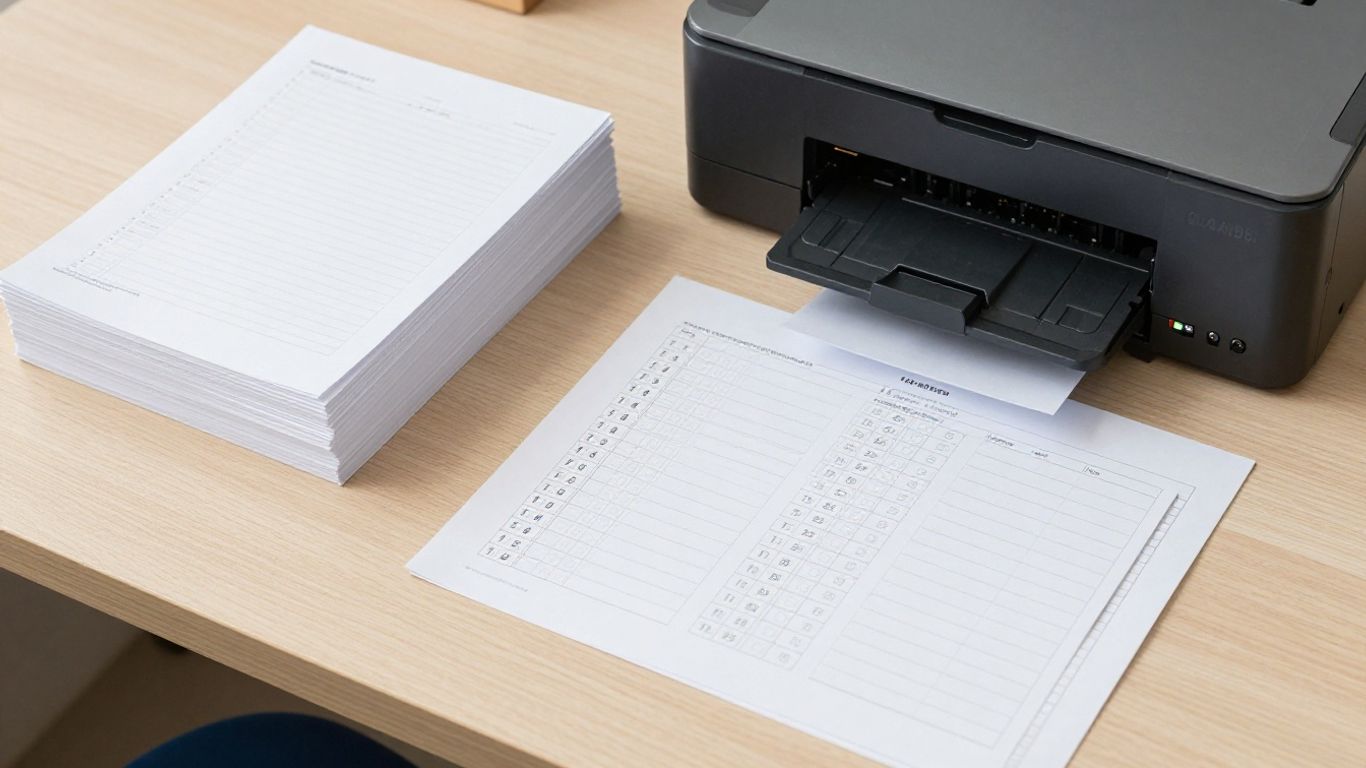
Beyond just a simple QR code, you can add layers of information directly onto your Avery 14 labels. Sequential numbering is brilliant for tracking individual items or batches, making it easy to identify each one. Think of it like giving each item its own unique ID. We can also incorporate standard barcodes, like Code 128 or Code 39, alongside human-readable text. This is super handy if your existing systems, like warehouse management software, still rely on traditional barcodes. It means you get the best of both worlds – the flexibility of QR codes and the compatibility with older tech. For example, a UK-based logistics firm might use these labels on incoming goods, with each label featuring a unique sequential number and a barcode that matches their inventory system. This speeds up the ‘goods-in’ process significantly.
Dynamic QR Codes for Updatable Content
One of the most powerful features is the use of dynamic QR codes. Unlike static QR codes that point to a fixed web address, dynamic QR codes can be updated after the labels have been printed. This is a game-changer. Imagine you’re running a promotion and the QR code on your product packaging links to a special offer page. If the offer changes, you don’t need to reprint all your labels; you can simply update the destination link through a management dashboard. Several UK businesses are already doing this. A food manufacturer might use dynamic QR codes on their products to link to recipes or allergen information, updating these as needed without a costly re-labeling exercise. Others use them to link equipment to digital maintenance logs or user manuals, allowing updates to those documents without touching the physical label. This flexibility is key for keeping information current and relevant. You can even track scan data to see how your labels are being used.
Security and Tamper-Evident Options
For certain applications, security and proof of integrity are paramount. We offer specialised materials that act as tamper-evident seals. If someone tries to peel off a label, it will either break apart into tiny pieces or leave a ‘void’ message behind, clearly showing that the packaging or asset has been tampered with. This is invaluable for high-value goods, pharmaceuticals, or compliance-critical equipment. For instance, a UK electronics manufacturer might use these labels on their product boxes to assure customers that the seal is unbroken. Similarly, a healthcare provider could use them on sensitive equipment or storage units to ensure that access is logged and any unauthorised opening is immediately visible. These labels provide an extra layer of trust and security for your products and assets.
Ordering and Support for Avery 14 Labels
Bulk Ordering and Standing Stock
When you’re ready to move beyond a few sheets, ordering in larger quantities makes sense. We understand that ‘bulk’ can mean different things to different businesses, but typically, we’re talking about orders of 500 labels or more. It’s always best to discuss your specific needs so we can find the most cost-effective printing solution for you. For those who need a consistent supply, our standing stock programme is a real lifesaver. This means we can hold pre-approved batches of your labels, ready to be shipped out the same day you request them. It’s a great way to ensure you never run out of essential labels, especially if you use them for critical inventory tracking or compliance checks. Think of it like having your own private stock, managed by us.
Digital Proofs and Scan Testing
Before we even think about printing your labels, we’ll send you a digital proof. This isn’t just a visual check; it’s a crucial step to ensure everything is exactly as you expect. We’ll make sure the design is right, the text is clear, and importantly, that the QR codes are set up to scan reliably. We pay close attention to things like quiet zones and contrast, which are vital for scannability. You can test this proof on your own devices, giving you peace of mind before we go into full production. For example, many UK organisations use QR code stickers to link equipment to digital maintenance logs. They need to be sure that a technician can scan the label on a piece of machinery and immediately access the correct information, even in a busy workshop environment. We ensure that happens.
Expert Advice for Your Specific Needs
Choosing the right label isn’t always straightforward. There are so many options for materials, adhesives, and finishes, not to mention the complexities of dynamic QR codes versus static ones. That’s where our team comes in. We’re here to offer guidance tailored to your unique situation. Whether you’re labelling warehouse racking with high-tack labels that need to stick to textured surfaces, or you need durable, weather-resistant labels for outdoor equipment, we can help. For instance, a UK-based facilities management company might use our durable, high-tack labels with optional UV laminate to track plant room equipment, proving compliance and linking directly to safety inspection records via QR codes. Don’t hesitate to pick up the phone or send us a message; we’re happy to talk through your requirements and help you find the perfect solution. You can even reach us via WhatsApp or our AI chat for quick answers. Get in touch today to discuss your project.
Getting Organised with Avery 14 Labels
So, there you have it. Using Avery 14 labels per sheet can really make a difference when you’ve got a lot of items to sort out. Whether it’s for your home office, a big project, or just keeping things tidy, these labels offer a straightforward way to get things labelled up. They’re pretty easy to use with most printers, and once you get the hang of it, you can get a surprising amount done quite quickly. It’s not rocket science, but sometimes the simple solutions are the best for keeping your life, or your work, that bit more organised. Give them a go, and see how much easier things feel.
Frequently Asked Questions
What are Avery 14 labels per sheet?
Avery 14 labels per sheet means you get 14 individual stickers on a single A4-sized sheet. They’re a popular choice for businesses because they offer a good balance between having enough labels for a project without being too small to handle easily.
What can I use these labels for?
These labels are super versatile! Think about organising files, labelling boxes for storage, creating name tags for events, or even making your own custom stickers for products. They’re great for anything that needs a clear label.
How do I make sure my text is easy to read on these labels?
To make sure everyone can read your labels, use a clear, simple font. Avoid tiny text or overly fancy styles. Also, make sure there’s enough space between your text and the edge of the label, and keep the colours of the text and the label background quite different so they stand out.
Can I print barcodes or QR codes on Avery 14 labels?
Absolutely! Avery 14 labels are perfect for printing barcodes or QR codes. This is brilliant for inventory management, tracking items, or linking people to websites or more information with a quick scan.
What kind of printer works best for these labels?
Most standard inkjet or laser printers will work just fine. It’s a good idea to check the Avery website for their specific recommendations for the label type you’ve bought. Always do a test print on a plain sheet of paper first to check the alignment before printing on the actual labels.
How do I get the best results when printing?
Make sure your design fits perfectly within the label boundaries. You can usually download templates from the Avery website. Printing a test page on regular paper and holding it over the label sheet can help you check if the alignment is spot on before you commit to printing on the labels themselves.