

Right then, let’s have a natter about barcodes versus QR codes. It’s a question a lot of businesses are asking themselves, especially with how things are changing so fast. You see them everywhere these days, from the supermarket checkout to posters on the street. But what’s the actual difference, and more importantly, which one is going to do your business the most good in 2026? We’ll break it all down, looking at what they do, how they work, and where each one really shines. It’s not just about scanning; it’s about what you want to achieve with that scan. So, grab a cuppa, and let’s figure out the best way forward for you.
Key Takeaways
- Barcodes are linear and hold less data, good for simple identification like product prices. QR codes are two-dimensional, holding much more information and allowing for more complex uses.
- QR codes have moved beyond just linking to websites; they now offer dynamic content, customer engagement, and transparency, making them versatile business tools.
- Traditional barcodes are still solid choices for straightforward tasks like inventory management and checkout scanning where simplicity and speed are key.
- QR codes excel when you need to connect the physical world to digital information, like for marketing, product details, or access to services.
- Choosing between barcodes and QR codes in 2026 depends on your specific business needs – consider what information you need to store, how you want customers or staff to interact with it, and the environment it will be used in.
Understanding The Core Differences: Barcodes vs QR Codes
Dimensionality: A Tale of One vs. Two
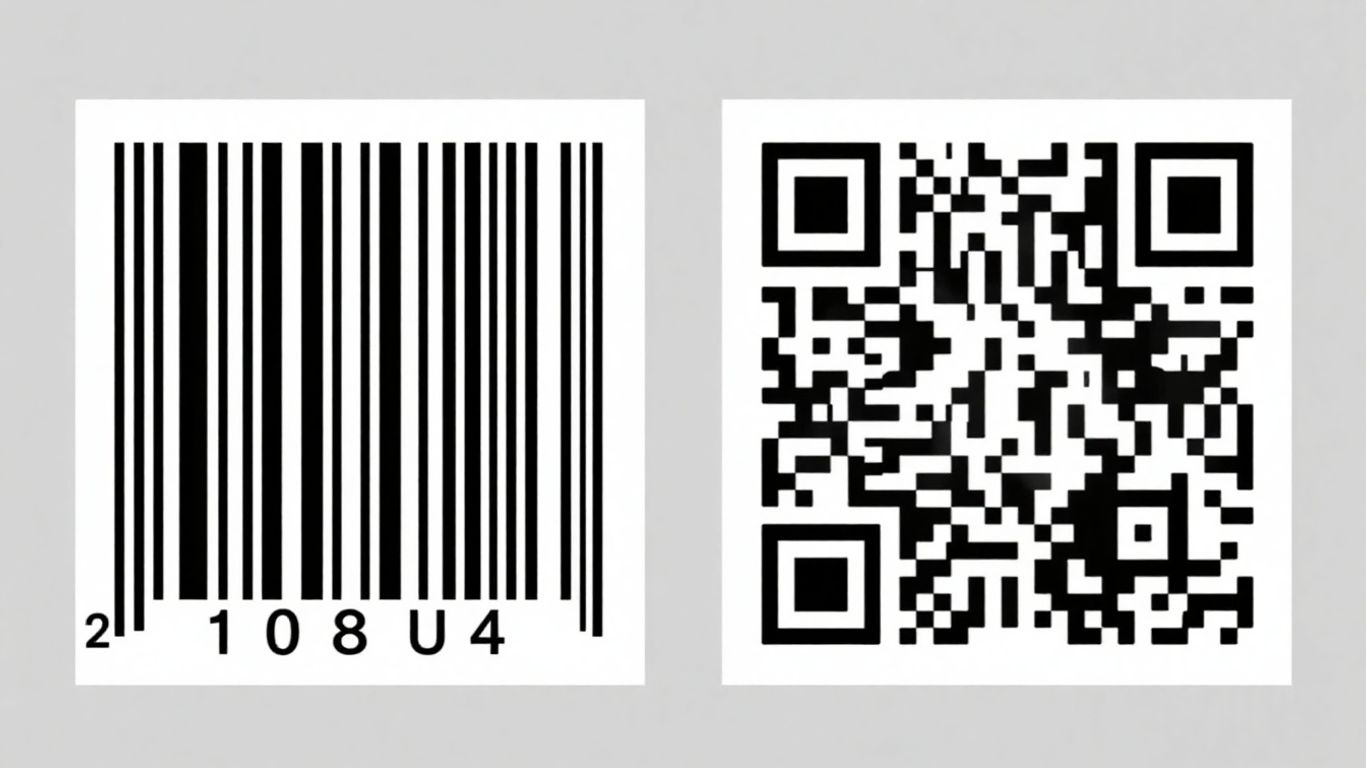
At their heart, barcodes and QR codes are both ways to store information that machines can read. The most obvious difference is how they look and how they store that data. Traditional barcodes, the ones you see on most products at the supermarket, are one-dimensional (1D). They’re made up of a series of parallel lines of varying widths. To scan them, you need a scanner that moves across these lines in a single direction. Think of them like a very short, very specific sentence written in lines.
QR codes, on the other hand, are two-dimensional (2D). They look like a square grid of black and white modules. This grid allows them to store information both horizontally and vertically. This means they can hold significantly more data than a standard barcode. For example, a QR code could store a website address, contact details, or even a short text message, whereas a traditional barcode typically just holds a product number. This extra dimension is what gives QR codes their versatility.
Data Capacity: More Than Meets The Eye
The amount of information a barcode or QR code can hold is a key differentiator. A standard 1D barcode, like the UPC code on your groceries, can usually only store about 20-25 characters – typically just a numerical identifier. This is perfectly fine for simple inventory tracking or checkout.
QR codes, however, can store a lot more. Depending on the version and error correction level, a QR code can hold thousands of alphanumeric characters. This capacity is what allows them to link directly to websites, display full contact cards, or even store small amounts of text. For businesses needing to provide more than just an ID number, like linking to a fire door’s maintenance log or a product’s full specifications, QR codes are the clear choice.
Scanning Technology: Line-of-Sight vs. Image Capture
How these codes are read also differs. Traditional barcodes generally require a direct line-of-sight for scanning. The laser or scanner needs to pass over the lines clearly. This works well in controlled environments like a checkout counter or a warehouse.
QR codes, because they are image-based, can be scanned by most modern smartphones using their camera. This doesn’t require a specific scanner and can often read codes even if they are slightly damaged or at an angle, as long as the pattern is discernible. This makes them incredibly accessible for both staff and customers. For instance, if you need to quickly check the compliance status of a fire door, a staff member could simply use their phone to scan a QR code attached to it, rather than needing a dedicated scanner and perfect lighting conditions. This ease of use is a significant advantage for many applications.
While traditional barcodes are excellent for straightforward identification and checkout processes, QR codes offer a richer, more flexible data storage and access method, making them suitable for a wider range of modern business needs, from asset tracking to customer engagement.
The Evolving Role of QR Codes in Business Operations
From Contactless Convenience to Dynamic Engagement
QR codes have come a long way since they first appeared. Initially, they were a handy way to avoid typing website addresses, especially useful during times when contactless interactions were paramount. Now, they’re much more than that. Think of them as digital gateways that can be updated on the fly. This means you can change what a QR code links to without having to print new ones, which is a real game-changer for keeping information fresh and relevant. It’s like having a digital storyteller attached to your physical products or premises, ready to share new offers or details whenever needed.
Enhancing Consumer Transparency and Loyalty
Customers today want to know more about what they’re buying and who they’re buying from. QR codes offer a straightforward way to provide this. You can link them to detailed product information, ingredient sourcing, or even sustainability credentials. This transparency builds trust, and trust often leads to loyalty. When customers feel informed and connected to your brand, they’re more likely to return. It’s a simple step that can make a big difference in how customers perceive your business.
Driving Operational Efficiency and Compliance
Beyond customer-facing uses, QR codes are proving invaluable for keeping operations running smoothly and ensuring you meet regulations. For instance, imagine a fire door. A durable QR code sticker on it could link directly to its maintenance log, inspection history, and safety certification. This makes it incredibly easy for staff or inspectors to access all the necessary information on the spot, without needing to search through paperwork. This kind of asset tracking is vital for compliance and safety, especially in environments with many assets to manage. It simplifies checks and ensures everything is up to date, saving time and reducing the risk of errors. For businesses looking to streamline these processes, exploring how QR codes can be integrated into existing systems is a smart move. You can find out more about how these codes can be effectively utilized in 2026 to connect with customers and drive business growth. Explore QR code uses.
Here’s a quick look at how they help:
- Asset Tracking: Easily identify and access information about equipment, furniture, or safety features like fire doors.
- Maintenance Records: Link directly to service history, inspection reports, and upcoming maintenance schedules.
- Compliance Checks: Provide instant access to certifications, safety data sheets, or regulatory documentation.
- Staff Training: Direct employees to relevant manuals, procedures, or instructional videos for specific equipment.
Strategic Applications for Traditional Barcodes
Inventory Management and Retail Checkout
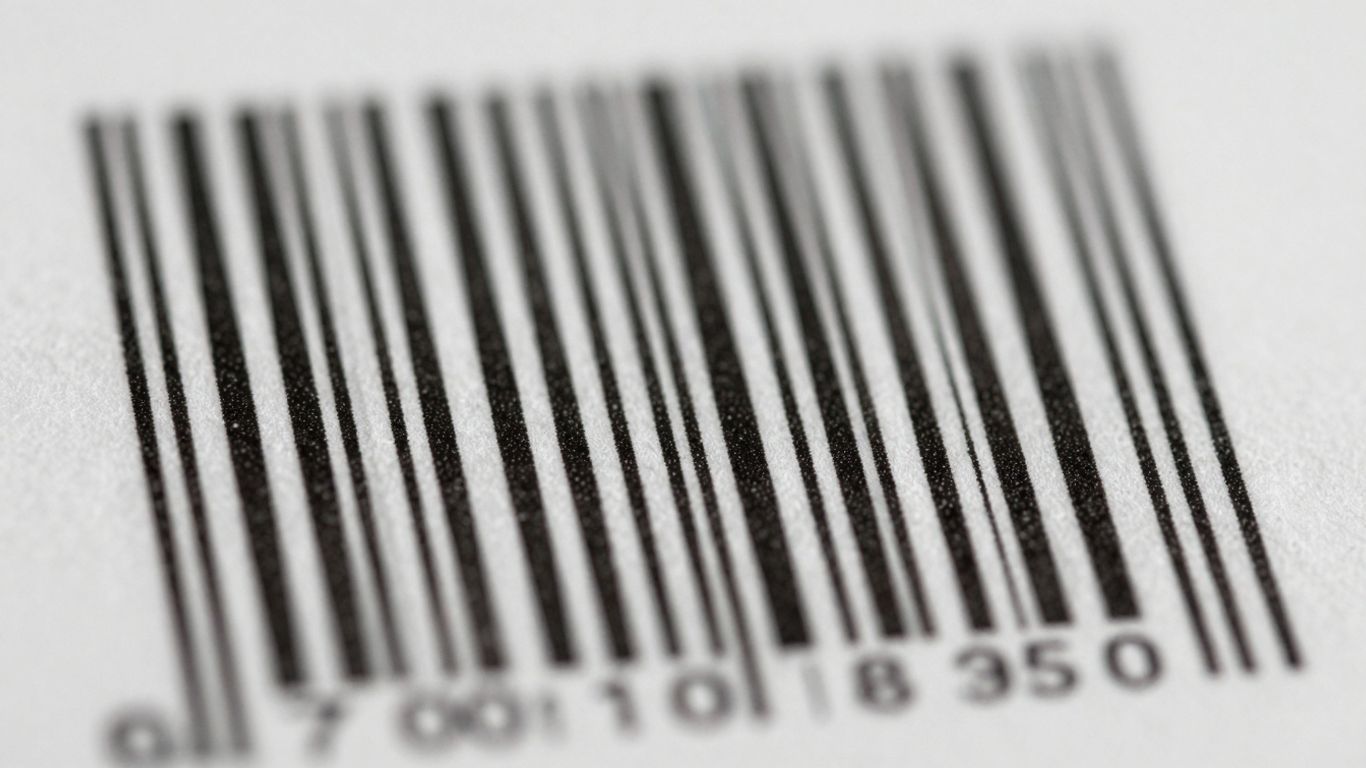
Traditional barcodes remain a workhorse for businesses needing straightforward, reliable tracking. In retail, they’re the backbone of the checkout process, allowing for quick and accurate scanning of products. For inventory management, they offer a simple way to count stock, track items moving in and out of storage, and ensure you know what you have on hand. Think of a busy supermarket or a large warehouse; barcodes are essential for keeping things moving efficiently. They’re particularly good when you need to identify individual items quickly and don’t require complex data linked to each scan.
Asset Tracking in Controlled Environments
When you need to keep tabs on physical assets within a defined space, like equipment in a factory or tools in a workshop, standard barcodes are a solid choice. They’re easy to apply and scan, making them ideal for regular checks. For instance, a fire door needs regular inspections to ensure it’s compliant with safety regulations. A durable barcode sticker on the door, scanned during each inspection, provides a simple, auditable record. This method is cost-effective and requires minimal training for staff.
Logistics and Supply Chain Visibility
In the world of logistics, barcodes have been instrumental in tracking goods as they move through the supply chain. From the moment a product leaves the manufacturer to when it reaches its final destination, barcodes on boxes and pallets allow for quick scans at various checkpoints. This provides visibility into where items are and when they’ve moved. While QR codes offer more data, the simplicity and speed of traditional barcodes are often preferred for high-volume scanning in busy distribution centres and transport hubs. Their durability means they can withstand the rigours of transit.
The key advantage of traditional barcodes lies in their simplicity and speed for specific tasks. They are robust, easy to implement, and require less sophisticated scanning equipment, making them a reliable choice for many core business operations where direct, line-of-sight scanning is sufficient.
Leveraging QR Codes for Enhanced Customer Interaction
QR codes have really come into their own, moving beyond just a quick way to get to a website. They’re now a proper tool for businesses to connect with people. Think about it: customers want information fast, and QR codes deliver that instantly. They’re brilliant for making things easier and more engaging.
Marketing Campaigns and Promotional Offers
This is where QR codes really shine. You can put a QR code on anything – a poster, a product, even a flyer – and link it directly to a special offer, a discount code, or a competition entry page. It’s a simple way to get people to interact with your marketing. For example, a cafe could put a QR code on their counter linking to a ‘buy one get one free’ coffee deal for the day. Or a clothing store might put one on a new season’s display linking to a lookbook or a discount on those specific items. The key is making the offer clear and easy to access.
- Direct Link to Discounts: Offer immediate savings or special prices.
- Contest Entry: Streamline the process for customers to enter giveaways.
- Loyalty Program Sign-ups: Make it simple for new customers to join your rewards scheme.
- Event Invitations: Link directly to event details and RSVP forms.
Product Information and Authenticity Verification
Customers today want to know more about what they’re buying. QR codes can provide this without cluttering packaging. You can link to detailed product specs, ingredient lists, usage instructions, or even videos showing how to use the product. For higher-value items, QR codes are also great for proving authenticity. A luxury goods company, for instance, could use a QR code that links to a page verifying the item’s origin and serial number, giving customers peace of mind.
It’s about building trust. When customers can easily access information about a product’s journey or confirm its genuine nature, they feel more confident in their purchase. This transparency can really make a difference.
Seamless Access to Digital Content and Services
Beyond just product details, QR codes can be a gateway to a whole host of digital experiences. Imagine a restaurant with QR codes on tables linking directly to their online menu, which can be updated instantly. Or a venue that uses QR codes on tickets for quick entry, bypassing the need for physical ticket checks. Even something like a property listing could have a QR code linking to a virtual tour and detailed floor plans. It’s about removing friction and making it easy for people to get what they need, when they need it.
Operational Use Cases for QR Codes
QR codes are proving to be incredibly useful for all sorts of day-to-day business operations. They’re not just for marketing anymore; they’re becoming essential tools for keeping things running smoothly and efficiently.
Facilities Management and Maintenance Tracking
Think about a large building with lots of equipment, like fire doors or machinery. Keeping track of when each item was last serviced or inspected can be a real headache. This is where QR codes really shine. You can stick a durable QR code sticker on each fire door, for example. When an inspector scans it, they can immediately log their inspection details, note any issues, and confirm it’s up to standard. This creates a clear digital record, making compliance checks much simpler and providing an audit trail. It’s a straightforward way to manage maintenance schedules and ensure safety regulations are met without piles of paperwork.
- Asset Identification: Easily tag equipment, furniture, or even rooms for quick reference.
- Maintenance Logs: Record service dates, technician notes, and upcoming schedules.
- Compliance Checks: Streamline inspections for things like fire safety or accessibility.
Using sequential QR codes is particularly helpful here. If you have hundreds of identical items, like fire doors, each can have its own unique QR code. This means you can track each one individually, even if they look the same, ensuring no item is missed during checks.
Event Ticketing and Access Control
For events, whether it’s a conference, concert, or even a local fair, managing entry can be chaotic. QR codes offer a clean solution. Instead of printing paper tickets that can be easily lost or forged, attendees can have a QR code on their phone. Ushers can then scan these codes quickly at the entrance, verifying tickets and letting people in without long queues. This speeds up the whole process and reduces the need for manual ticket checking.
- Ticket Validation: Fast and efficient scanning at entry points.
- Attendee Information: Link codes to attendee profiles or schedules.
- Reduced Fraud: Harder to duplicate than paper tickets.
Digital Signage and Information Hubs
QR codes can bring static signs to life. Imagine a notice board in a public building or a display in a museum. Instead of printing out lots of different leaflets, you can have a QR code. People can scan it with their phones to access more detailed information, download a map, watch a video, or even fill out a feedback form. This keeps your physical signage clean and uncluttered while providing a wealth of digital content right at people’s fingertips. It’s a practical way to offer more information without taking up more space.
- Access to Digital Content: Link to websites, videos, PDFs, or apps.
- Interactive Information: Provide maps, schedules, or contact details.
- Reduced Print Costs: Update digital information without reprinting physical signs.
Making The Right Choice: Barcodes vs QR Codes for 2026
Choosing between traditional barcodes and QR codes might seem straightforward, but for 2026, it’s about aligning the technology with your specific business needs and operational realities. Think about what you’re trying to achieve – is it simple inventory tracking, complex asset management, or something else entirely? The answer will guide you to the most effective solution.
Assessing Your Business Needs and Objectives
When we look at compliance, for instance, think about something like fire doors. Each one needs regular checks, and you need a reliable way to log that inspection. A traditional barcode might work if you have a very simple system, but a QR code offers more flexibility. You could have a QR code on the door itself that, when scanned, takes an inspector directly to a digital checklist for that specific door. This means no more paper forms getting lost or misfiled, and a clear audit trail. For asset tracking, especially for items that look similar, like tools or equipment in a workshop, sequential QR codes are brilliant. Each code is unique, so you know exactly which item has been checked out or where it’s located. This is far more precise than a generic barcode that might only identify the type of item.
Considering Durability and Environmental Factors
Durability is a big one, especially for assets that live outside or in tough environments. A standard printed barcode can fade or get damaged easily. Imagine a barcode on a bin that’s constantly exposed to the elements – it won’t last long. QR codes, especially when printed on robust materials like laser-engraved stainless steel or durable vinyl with protective laminates, can withstand a lot more. They can resist UV rays, chemicals, and general wear and tear, making them ideal for long-term asset identification and compliance tagging. For something like a fire door inspection tag, you need something that will still be scannable months or even years down the line, regardless of how many times the door is used or cleaned.
The Power of Dynamic QR Codes for Flexibility
This is where QR codes really shine for future-proofing. Unlike static barcodes, dynamic QR codes can be updated after they’ve been printed. This means if the information linked to a QR code needs to change – perhaps a maintenance log URL is updated, or a product’s warranty information is revised – you don’t need to reprint all your codes. You simply update the destination link on the backend. This flexibility is invaluable for managing assets over their lifespan or for compliance tracking where information might evolve. For example, a QR code on a piece of machinery could initially link to its user manual, but later be updated to link to its maintenance schedule or even its disposal record, all without changing the physical code itself.
Ensuring Effective Implementation and Best Practices
Getting your QR codes or barcodes set up and working smoothly is key. It’s not just about printing them; it’s about making sure they’re readable, reliable, and fit into your day-to-day operations without a hitch. Think of it like setting up a new piece of equipment – you need to know how to use it properly for it to be any good.
Design and Printing Considerations for Readability
When you’re getting your codes printed, a few things really matter. For starters, the contrast between the dark and light parts of the code needs to be spot on. A common mistake is using light colours on a light background, or vice versa, which makes it a nightmare for scanners. Aim for dark on light, like black on white, for the best results. Also, give your code some breathing room – a clear margin around it, often called a ‘quiet zone’, is vital. Without it, scanners can get confused. The size of the code is important too; too small and it’s hard to pick up, too big and it might not fit where you need it. For most everyday uses, a code around 2cm by 2cm is a good starting point, but this can vary depending on how far away it needs to be scanned from. For things like fire doors, where you need to comply with regulations, using durable, weather-resistant materials is a must. These stickers need to last, even in tough conditions, so they can be scanned reliably for inspections. Professional-grade QR code stickers are designed for this, ensuring they don’t fade or peel easily.
Testing and Quality Assurance Protocols
Before you go all out and print thousands of codes, a bit of testing goes a long way. It sounds obvious, but you’d be surprised how many times a code doesn’t work as expected. Try scanning your test prints with different phones – both iPhones and Android devices – and see if they read quickly and accurately. Check that the link or information the code points to is correct and still active. If you’re using dynamic QR codes, which let you change the destination later, test that functionality too. This is where having a system that allows you to update links without reprinting is a real lifesaver. For asset tracking, like for fire doors or equipment, you’ll want to test the scanning process in the actual environment where the code will be used. Is the lighting good enough? Is the surface the code is on reflective or textured? Addressing these small issues now saves a lot of hassle later.
Integrating with Existing Systems and Workflows
Making sure your new QR or barcode system fits in with what you already have is crucial. If you’re using it for inventory management, for example, can it talk to your current Warehouse Management System (WMS) or Enterprise Resource Planning (ERP) software? Many modern solutions can integrate with these systems, often by using simple CSV files to import your data. This means you can have sequential QR codes for tracking identical items, like bins or fire doors, that link directly into your tracking software. For compliance, like with fire door inspections, the QR code might link to a digital checklist or inspection report. This makes the process much quicker and more accurate than paper-based methods. The key is to choose a system that complements your existing processes rather than disrupting them. It should make things easier, not add another layer of complexity.
The best implementation is one that feels invisible – it just works. When a system is easy to use and reliable, people are more likely to adopt it, leading to better compliance and more accurate data across the board.
Making the Right Choice for Your Business
So, we’ve looked at barcodes and QR codes, and it’s pretty clear they both have their place. Barcodes are still solid for simple, one-dimensional tasks like scanning items at a checkout. They’re tried and true. But QR codes? They’ve really come into their own. They can hold way more information and do a lot more, like linking people directly to your website, special offers, or even detailed product info. For most businesses looking to connect with customers or streamline operations in 2026, QR codes offer a lot more flexibility. Think about what you need to achieve – is it just tracking stock, or is it about engaging customers and providing them with instant access to information? The answer to that question will point you towards the best option for your business.
Frequently Asked Questions
What’s the main difference between a barcode and a QR code?
Think of it like this: a traditional barcode is like a one-way street, you can only scan it in one direction (across). A QR code is like a two-way street, it has more information packed in and can be scanned both up and down, and side to side. This means QR codes can hold a lot more information.
Can QR codes be used for more than just website links?
Absolutely! While they’re great for sending people to websites, QR codes can do much more. They can link to videos, social media profiles, Wi-Fi networks, contact details, and even be used for things like event tickets or payment information.
Are QR codes still popular and useful for businesses?
Yes, they really are! After a big boost during the pandemic for things like contactless menus, QR codes have become a standard tool for businesses. They help connect the physical world to the digital one, making things easier for customers and providing valuable information.
What’s a ‘dynamic’ QR code, and why is it better?
A ‘static’ QR code is like a tattoo – once it’s printed, the information is fixed. A ‘dynamic’ QR code is more like a changeable sign. You can change where it leads (like updating a website link or a special offer) even after you’ve printed the code. This makes them super flexible and useful for marketing and updates.
How do businesses use QR codes for things like stock or tracking?
Businesses use QR codes for tracking all sorts of things! They can put them on products, equipment, or even doors. When scanned, the code can tell you exactly what the item is, where it is, or when it was last checked. This is brilliant for keeping track of everything you own or manage.
What makes a good QR code sticker for my business?
For a QR code sticker to work well, it needs to be clear and easy to scan. This means using good quality printing so the pattern is sharp, making sure there’s enough space around the code (a ‘quiet zone’), and choosing a size that’s right for how far away people will be scanning it. Durable materials are also key for places where they might get worn out.