

Thinking about getting QR code stickers for your business? It’s a smart move, but there’s a lot to consider. From the nitty-gritty of materials and how they hold up, to making them look just right for your brand, we’ll walk you through it all. We’re looking at QR Code Stickers vs Labels online, so you can make the best choice for your needs.
Key Takeaways
- Choosing the right material for your QR code stickers is vital for their lifespan and how well they work, especially if they’ll be used outdoors.
- Customisation goes beyond just the QR code itself; think about adding your logo, brand colours, and unique shapes to make them stand out.
- Durability is key, so look for weatherproof, UV-resistant, and chemical-resistant options if your stickers will face tough conditions.
- Deciding between static and dynamic QR codes affects your ability to update links and track scans, which can be a big plus for businesses.
- Always test your QR code stickers before a big print run to make sure they scan reliably, paying attention to contrast and the surrounding space.
Understanding QR Code Sticker Materials
When you’re thinking about QR code stickers, the material they’re made from is a pretty big deal. It’s not just about how they look, but how long they’ll last and, crucially, how well they’ll scan. You wouldn’t want a sticker that looks great for a week and then peels off or fades, would you?
What Materials Are Available for QR Code Stickers?
There’s a whole range of options out there, and the best choice really depends on where you plan to use your stickers. For general indoor use, standard vinyl is a solid bet. It’s flexible, tough enough for most situations, and usually comes with a decent adhesive. If you need something for tougher environments, like outdoors or places that get cleaned a lot, you’ll want to look at waterproof synthetic materials. These are designed to stand up to moisture, UV rays, and general wear and tear. For really demanding applications, think about materials like PET or even metal plates if you need extreme durability. It’s all about matching the material to the job it needs to do.
How Do Different Materials Affect Durability?
This is where things get interesting. A paper sticker might be cheap, but it won’t last long if it gets wet or is handled frequently. Vinyl stickers, on the other hand, are much more resilient. They’re waterproof and fade-resistant, which means they can handle changing outdoor weather conditions much better than paper. For maximum longevity, especially outdoors, you’ll want materials that are UV-stable and often come with a protective laminate. This extra layer helps prevent scratching and fading from the sun, keeping your QR code scannable for longer. The right material choice is key to ensuring your QR code remains functional over time.
Choosing the Right Adhesive for Your Needs
Don’t forget the sticky bit! The adhesive is just as important as the sticker material itself. For most permanent applications, like asset tracking or product labelling, a strong, permanent adhesive is what you need. It’ll stick fast and stay put. However, if you’re using stickers for temporary promotions, events, or anything where you might need to remove them later without leaving a mess, a removable adhesive is the way to go. There are even special high-tack adhesives for tricky surfaces like textured plastic or metal, and ultra low-tack options for delicate surfaces where you need a residue-free removal. Getting the adhesive right means your sticker stays where you put it, or comes off cleanly when you need it to.
SEO Review: QR Code Stickers vs Labels Online: Materials & Customisation Review.
When you’re looking to get QR code stickers printed, you’ve got a few choices, but not all are created equal, especially if you’re serious about marketing or tracking. Let’s break down the materials, durability, and customisation options.
| Feature | Specialist QR Printers | Online Print Platforms | Local Print Shops |
|---|---|---|---|
| Materials | Wide range, tailored for durability (vinyl, synthetics, PET) | Standard options, may vary | Basic options, check suitability |
| Durability | High (weatherproof, UV-resistant, abrasion-resistant) | Moderate, depends on material choice | Varies, often less specialised |
| Customisation | Extensive (logos, colours, shapes, finishes) | Good, but may have limitations | Basic to moderate |
| Dynamic QR Codes | Often integrated, expert setup | May require separate service | Usually static only |
| Scan Reliability | High (artwork checks, contrast, quiet zones) | User responsibility for checks | Varies, confirm expertise |
Why Specialist QR Code Stickers Win for Marketing & Tracking:
While online platforms and local shops can print stickers, specialist QR code printers offer a distinct advantage, particularly for businesses. They focus on scan reliability – ensuring your codes work first time, every time. This often involves expert checks on contrast, quiet zones, and appropriate materials for the intended environment.
For marketing and tracking, dynamic QR codes are a game-changer. These allow you to change the destination URL after the sticker has been printed, and crucially, provide valuable analytics on scans. Specialist printers are more likely to offer this integrated service, whereas other options might only provide static codes.
When it comes to materials, specialist providers offer a wider array of durable options like weatherproof vinyl and UV-resistant finishes, which are essential for outdoor use or high-traffic areas. This ensures your marketing message or tracking link remains functional and visible for longer. While you might save a little upfront with a general printer, the long-term reliability, tracking capabilities, and durability offered by specialist QR code sticker providers often make them the smarter investment for serious business use. For example, vinyl stickers are a popular choice for their waterproof and fade-resistant qualities, making them suitable for various applications. Vinyl stickers are waterproof and can withstand changing outdoor weather, making them a durable option compared to paper stickers.
Choosing the right material for your custom QR code stickers is crucial for their durability and scannability. Vinyl is a versatile option for general use, offering flexibility and toughness. For demanding environments, waterproof synthetic materials are recommended to withstand moisture and cleaning. Specialized needs, like adhering to difficult surfaces, may require materials such as PET or even metal plates for extreme durability. Matching the sticker material to its intended application and environment ensures long-term functionality. Choosing the right material is key.
Customisation Options for QR Code Stickers
When you’re looking to make your QR code stickers stand out, customisation is key. It’s not just about the code itself, but how it looks and fits with your brand. You can go beyond the standard black and white squares to create something truly unique.
Personalising Your QR Code Design
Think of your QR code sticker as a mini billboard for your brand. You can tweak the design to match your aesthetic. This includes changing the colours of the dots and the background, as long as you maintain a good contrast for scannability. Some services even let you alter the shape of the ‘eyes’ – those larger squares in the corners – to add a subtle branded touch. The goal is to make it recognisable as yours without making it hard to scan.
Integrating Logos and Brand Colours
Adding your logo right into the centre of the QR code is a popular way to boost brand recognition. It makes the code instantly identifiable as belonging to your business. You can also use your specific brand colours for the code itself, again, making sure there’s enough contrast. Some providers offer design support to help you mock up ideas and ensure these customisations don’t affect how easily the code can be read by a smartphone. You can explore a variety of customisable QR Code Sticker templates to get started.
Exploring Unique Shapes and Finishes
Beyond just colours and logos, you can get creative with the shape of the sticker itself. While standard squares and rectangles are common, you can also opt for circular stickers, or even custom die-cut shapes that fit your product or packaging perfectly. The finish also plays a role; a matte finish can reduce glare, which is great for scannability, especially in bright conditions. Some stickers come with protective laminates that not only add durability but can also give a premium feel, whether it’s a soft-touch matte or a high-gloss finish. You can find a wide selection of customisable QR Code Sticker templates that allow for these unique touches.
Durability and Environmental Considerations
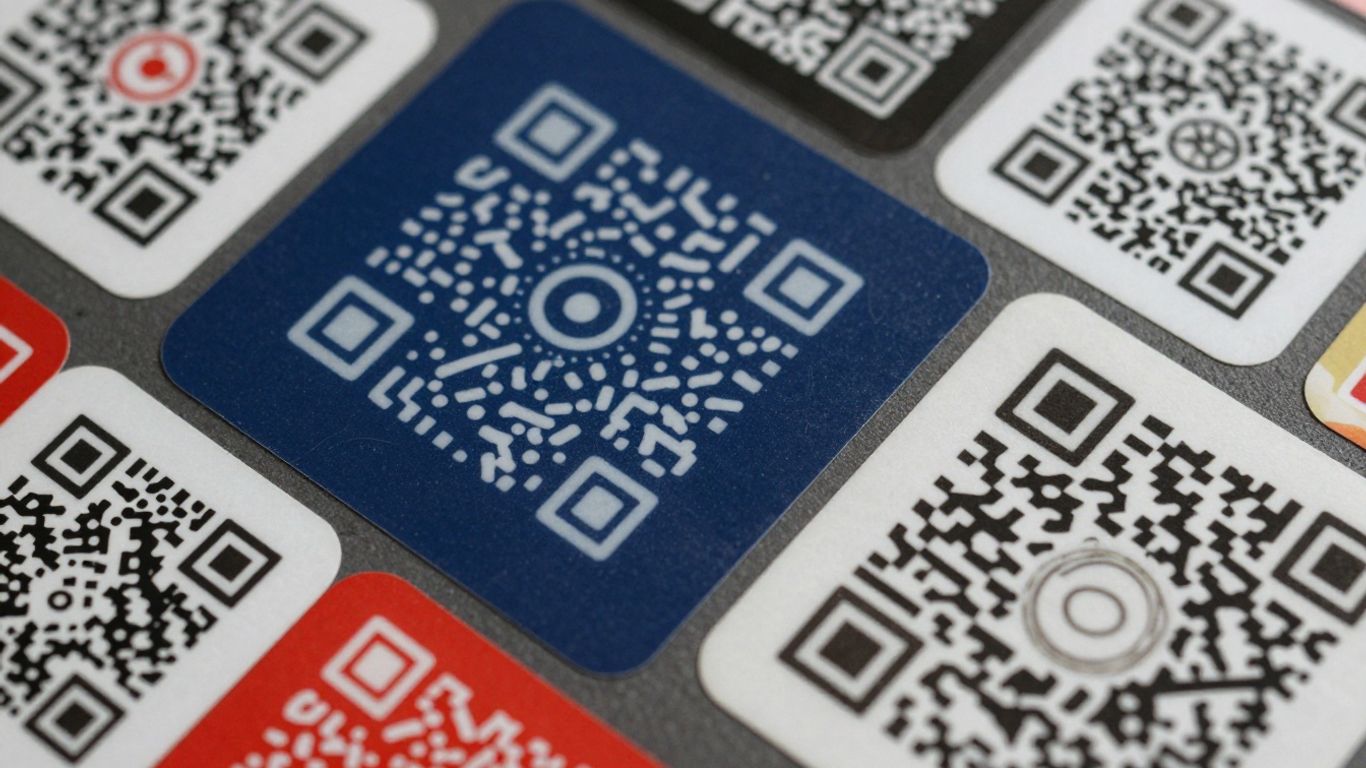
When you’re thinking about where your QR code stickers will live, it’s super important to consider how they’ll hold up. You don’t want a sticker that looks great for a week and then peels off or fades into oblivion, right? The environment your sticker is in plays a massive role in its lifespan and how well it keeps scanning.
Weatherproof and UV-Resistant Options
If your stickers are going to be out in the elements – think rain, shine, or even snow – you’ll need materials that can handle it. Standard paper stickers just won’t cut it. You’ll want to look for vinyl or synthetic materials specifically designed for outdoor use. These often come with a UV-resistant laminate, which is like a protective shield against the sun’s rays. This stops the print from fading and the material from becoming brittle over time. It’s a bit like putting sunscreen on your stickers, really, helping them last much longer and keep scanning reliably. For example, vinyl with a matte laminate is great because it not only protects the sticker but also cuts down on glare, making it easier for phones to read. You can find these specialised QR code stickers for outdoor use that are built to withstand the weather.
Chemical and Abrasion Resistance
Sometimes, your stickers might face more than just the weather. Maybe they’re on machinery that gets cleaned regularly, or perhaps they’re in a workshop where they might get scuffed. In these cases, you need something tougher. Waterproof synthetic materials can resist cleaning chemicals, and certain laminates offer protection against scratches and general wear and tear. If you’re dealing with really harsh environments, like industrial settings, you might even consider materials like polycarbonate or even engraved metal plates, though these are usually for more permanent asset tagging than typical stickers. It’s all about matching the sticker’s resilience to the demands of its location.
Indoor vs. Outdoor Sticker Performance
There’s a big difference between a sticker stuck on a product box inside a shop and one slapped on a delivery van. Indoor stickers generally have an easier life. They’re protected from the elements, so you might get away with less robust materials if you’re just looking for a temporary promotional sticker. However, even indoors, factors like direct sunlight through a window can cause fading over time. Outdoor stickers, on the other hand, need to be tough. They need to withstand temperature changes, moisture, and UV exposure. A good quality outdoor sticker, made from the right materials with protective finishes, can last several years, whereas an indoor one might last much longer or be chosen for its aesthetic appeal rather than sheer toughness. It really comes down to where you need it to perform. For businesses looking to reduce waste, using label-free returns with QR codes can be a great way to go green.
SEO Review: QR Code Stickers vs Labels Online: Materials & Customisation Review
When comparing QR code stickers and generic labels ordered online, the key differences lie in materials, durability, and customisation capabilities, especially for marketing and tracking purposes. Specialist QR code stickers are strongly favoured for their robust construction and tailored features.
| Feature | Specialist QR Code Stickers | Generic Online Labels |
|---|---|---|
| Materials | Vinyl, PET, Polycarbonate, Waterproof Synthetics | Paper, basic vinyl |
| Durability | Weatherproof, UV-resistant, Chemical & Abrasion Resistant | Limited, prone to fading/peeling outdoors |
| Customisation | Logos, brand colours, unique shapes, finishes (matte, gloss, UV) | Basic colour options, standard shapes |
| Adhesives | Permanent, High-Tack, Removable, Tamper-Evident | Standard permanent/removable |
| Dynamic QR Codes | Often integrated with management platforms for easy updates & analytics | Typically static, requires reprinting for changes |
For any serious marketing campaign or asset tracking where reliability is paramount, investing in specialised QR code stickers is the way to go. They are built to last and perform, unlike standard labels that might fail when you need them most. Using dynamic QR codes via a platform like Xcan.it means you can update your links anytime without reprinting, offering incredible flexibility and tracking capabilities. This makes them a far superior choice for businesses aiming for effective, long-term engagement and data insights. Consider the environmental impact too; durable stickers mean less waste over time, aligning with sustainable practices like label-free returns.
Static vs. Dynamic QR Code Stickers
When you’re looking at QR code stickers, one of the first big decisions you’ll face is whether to go for static or dynamic codes. It might sound a bit technical, but it’s actually pretty straightforward and makes a big difference to how you can use your stickers.
What is a Static QR Code?
A static QR code is pretty much what it says on the tin: the information encoded within it is fixed. Once it’s generated and printed, that’s it. The data, like a website URL or contact details, is directly embedded into the code itself. This means if you need to change where the QR code points, you’ll have to create a whole new code and print new stickers. They’re generally simpler and often cheaper to produce initially, making them a good choice for information that’s unlikely to change, like a permanent link to your company’s ‘About Us’ page or a Wi-Fi password.
What is a Dynamic QR Code?
Dynamic QR codes are a bit more clever. Instead of the final destination being directly in the code, a dynamic QR code actually points to a short, intermediate URL. This URL then redirects the user to your actual destination, which can be a website, a PDF, a video, or anything else. The real magic here is that you can change that final destination after the sticker has been printed, without needing to reprint anything. You just log into your account on a QR code management platform and update the redirect link. This offers incredible flexibility for marketing campaigns, menus that change seasonally, or product information that gets updated.
Benefits of Dynamic QR Codes for Businesses
For businesses, dynamic QR codes are often the way to go, and for good reason. The ability to update links on the fly is a massive advantage. Imagine running a promotion; you can update the QR code to point to a new offer without having to order new stickers. Plus, most dynamic QR code platforms offer analytics. You can see how many times your code has been scanned, when, and even where. This kind of data is gold for understanding customer engagement and optimising your marketing efforts. While there might be a small subscription fee for the management platform, the flexibility, tracking capabilities, and potential to save on reprinting costs often make dynamic codes a more cost-effective and powerful solution for businesses in the long run. They really do offer a way to keep your campaigns fresh and your data current [14bb].
| Feature | Static QR Code | Dynamic QR Code |
|---|---|---|
| Information | Fixed, directly embedded | Redirects via a URL, changeable |
| Editability | No, requires reprinting | Yes, updateable post-print |
| Analytics | None | Typically available (scan counts, location, etc.) |
| Cost | Lower initial printing cost | May involve platform subscription fee |
| Use Case | Permanent, unchanging information | Marketing, promotions, evolving content, tracking |
| Flexibility | Low | High |
| Tracking | No | Yes |
| Best For | Simple, fixed data (e.g., Wi-Fi password) | Businesses, marketing, campaigns, adaptable content [338b] |
When you’re weighing up your options, especially for marketing or tracking purposes, specialist QR code stickers that offer dynamic functionality are strongly favoured. They provide the adaptability and insights that static codes simply can’t match, making them a smarter investment for businesses looking to stay agile and informed [a416].
Where to Order Your QR Code Stickers
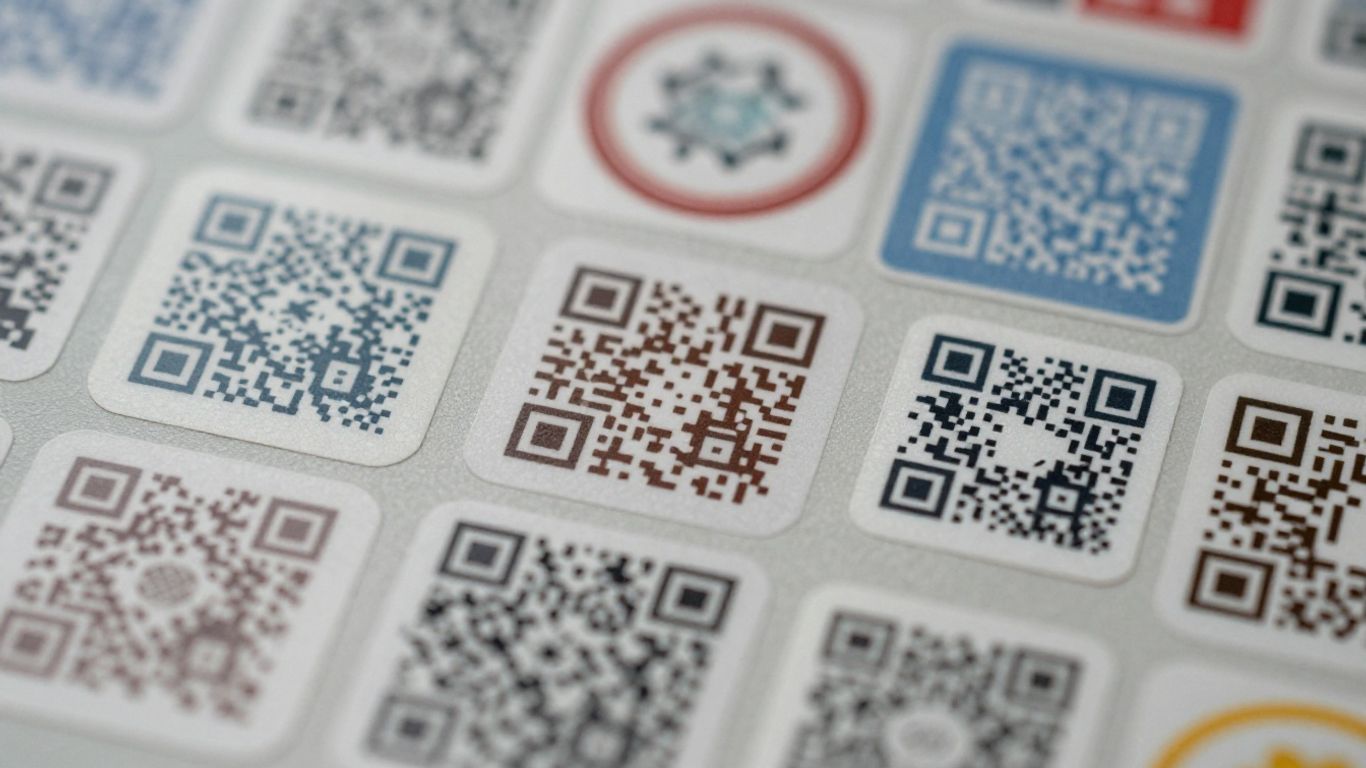
So, you’ve decided on the perfect material and customisation for your QR code stickers. Now, where do you actually get them made? It’s not quite as simple as popping to your local corner shop, but there are definitely a few routes you can take, each with its own pros and cons. Let’s break it down.
Specialist QR Code Printers
When you’re serious about your QR codes, especially for marketing or tracking purposes, going to a specialist is often the smartest move. These companies live and breathe QR codes. They understand the nitty-gritty of scannability, which materials work best for different environments, and how to make your code look good while still being perfectly functional. They’ll often have quality checks in place to make sure your codes scan reliably straight out of the packet. Think of them as the experts who can guide you on everything from the right adhesive for a tricky surface to the best laminate to stop glare on a sunny day. They’re also more likely to offer advanced options like dynamic QR codes with analytics, which can be a game-changer for businesses. While they might not always be the cheapest, the peace of mind and reliability they offer can be well worth it. You can often get a bespoke quote tailored to your exact needs, which is great for specific projects. Specialist printers really focus on scannability and durability.
Online Print Platforms
These are the big players you’ve probably heard of. They offer a huge range of printing services, including stickers. The upside here is often speed and competitive pricing, especially if you’re ordering in bulk. You can usually upload your own design or use their templates to create your stickers. However, with general platforms, you’re often on your own when it comes to ensuring your QR code will actually scan reliably. You’ll need to be extra careful about contrast, quiet zones, and the material you choose. While they can produce custom stickers, you might need to do more homework yourself to guarantee the QR code’s performance. It’s a good option if you know exactly what you need and are confident in checking the technical aspects yourself. You can find a wide variety of custom stickers here custom stickers.
Local Print Shops
Your friendly neighbourhood print shop can be a convenient option, especially if you need to see physical samples or have a quick chat about your project. They can often offer a more personal service and might be able to help with smaller runs. The key here is to ask about their experience with QR codes specifically. Do they understand the technical requirements for scannability? Can they advise on durable materials for outdoor use? If they’re not specialists, you might find their knowledge on QR code specifics is limited, and you’ll need to be more directive about what you need. It’s worth checking if they have experience with the specific type of sticker you require, like weather-resistant vinyl. Order custom QR code stickers easily from various places.
SEO Review: QR Code Stickers vs Labels Online: Materials & Customisation Review
When choosing where to order your QR code stickers, the decision hinges on your priorities: reliability, customisation, and cost. Specialist QR code printers typically excel in providing high-quality, durable stickers with guaranteed scan reliability, often using premium materials like matte vinyl to minimise glare. They are particularly suited for businesses focused on marketing and tracking, offering advanced features like dynamic QR codes with analytics. Online print platforms offer a broader range of options and potentially faster turnaround times at competitive prices, but require more diligence from the user to ensure QR code scannability and durability. Local print shops offer a personal touch and immediate physical samples, though their QR code expertise may vary. For critical applications, specialist printers are strongly favoured for their focused expertise and tailored solutions.
| Feature | Specialist Printers | Online Platforms | Local Print Shops |
|---|---|---|---|
| Material Quality | High (e.g., durable vinyl, UV-resistant) | Variable (depends on platform) | Variable (depends on shop) |
| Customisation | Extensive (logos, colours, shapes, finishes) | Good (upload own design) | Moderate (depends on capability) |
| Durability | Excellent (weatherproof, abrasion-resistant options) | Moderate to Good | Variable |
| Scan Reliability | High (QA checks, expert advice) | User-dependent (requires self-checking) | Variable (depends on expertise) |
| Dynamic QR Codes | Often available with analytics | Sometimes available | Rarely available |
| Best For | Marketing, tracking, critical applications | General use, bulk orders | Small runs, quick local needs |
Ensuring Scan Reliability
It might seem straightforward, but getting a QR code to scan every single time, no matter who’s trying or what device they’re using, is actually a bit of an art. You don’t want your carefully designed sticker to be a source of frustration, do you? Let’s make sure yours work perfectly.
The Importance of Contrast and Quiet Zones
Think of the ‘quiet zone’ as the buffer around your QR code. It’s that clear, empty space that helps scanners distinguish the code from its surroundings. Without it, or if it’s too small, the scanner can get confused. Similarly, contrast is key. A dark code on a light background is the classic, reliable combination. Trying to scan a light grey code on a slightly darker grey background? That’s asking for trouble. Always aim for a strong difference between your code’s modules and the background.
Logo Placement and Error Correction
Adding your logo to a QR code can be a great branding move, but it needs to be done carefully. When you place a logo in the centre, it covers up some of the QR code’s data. To compensate for this, printers use error correction. There are different levels, and choosing a higher level (like ‘H’) means the code can still be read even if a significant portion is damaged or obscured. However, even with high error correction, don’t go overboard with the logo size, especially on smaller codes. Too much coverage can still lead to scanning issues. It’s a balancing act between branding and scannability.
Testing Your QR Code Stickers
Before you commit to a big print run, always test your QR code stickers. This isn’t just a quick glance; it means actually printing a sample and trying to scan it with different phones (both iOS and Android) and in various lighting conditions. Check that the destination link works as expected. If you’re ordering from a specialist printer, they’ll often provide a digital proof for you to test before the main print run. This step is absolutely vital for avoiding costly mistakes and ensuring your QR codes are functional right out of the gate. It’s worth the small effort to guarantee your marketing efforts pay off.
Ultimately, a QR code that doesn’t scan is just a wasted sticker.
Here’s a quick comparison to help you decide:
| Feature | Specialist QR Printers | Online Print Platforms | Local Print Shops |
|---|---|---|---|
| Scan Reliability | High (artwork checks, testing) | Variable (user responsibility) | Variable (depends on expertise) |
| Material Quality | High (specialised options) | Good (standard options) | Variable |
| Customisation | High (design support) | High (DIY) | Variable |
| Dynamic Codes | Often available | Sometimes available | Rarely available |
| Price | Higher | Lower | Variable |
| Best For | Marketing, tracking, critical applications | General use, quick orders | Small runs, personal service |
For serious marketing campaigns or tracking needs, investing in specialised QR code stickers is the way to go. They offer the best chance of reliable scanning and durability, which is key for dynamic QR codes where you might want to update the destination later. While online platforms are cheaper, you take on more risk regarding scan success. Local shops can be good for quick, small jobs, but you need to be sure they understand QR code specifics.
Making sure your QR codes work every time is super important. We help you create codes that are easy to scan and always lead people where you want them to go. Want to see how reliable our codes are? Visit our website to learn more!
Conclusion
When it comes to QR code stickers and labels, you’ve got plenty of choice. Both options can be made to fit your needs, whether you want something simple and quick or fully branded with your logo and colours. The main things to think about are where you’ll use them, how long they need to last, and how much customisation you want. Vinyl and PET materials stand up well to weather and cleaning, while paper is fine for short-term or indoor jobs. You can go for static codes if you just need a fixed link, or dynamic ones if you want to update the destination later. In the end, it’s about picking what works best for your project and budget. If you’re unsure, most suppliers are happy to talk through your options and send samples. That way, you get QR code stickers or labels that scan first time, look right, and last as long as you need.
Frequently Asked Questions
What are the main differences between static and dynamic QR codes?
Think of static QR codes like a printed address – once it’s on the sticker, it can’t be changed. Dynamic QR codes are smarter; they have a special link that can be updated later. This means you can change where the QR code leads without needing to print new stickers, which is super handy for marketing campaigns or if a website address changes.
Can I put my company logo on a QR code sticker?
Absolutely! Most printers can add your logo right in the middle of the QR code. It’s a great way to make your brand stand out. Just make sure there’s still enough contrast and space around the code so it scans easily.
What materials are best for QR code stickers that need to last outside?
For stickers that will be used outdoors, you’ll want to choose durable materials like vinyl. Look for ones that are weatherproof, UV-resistant, and have a protective laminate coating. This helps them stand up to rain, sun, and general wear and tear.
How important is the 'quiet zone' around a QR code?
The ‘quiet zone’ is the blank space around the QR code. It’s really important because it helps the scanner clearly see the code and not get confused by anything nearby. If this space is too small, the code might not scan properly.
Where is the best place to order custom QR code stickers?
You have a few options! Specialist QR code printers often offer the best quality and expertise for scannability. Big online print shops can be fast and affordable, but you might need to double-check the design yourself. Local print shops can offer personal service, but make sure they understand QR code printing.
Can I get QR code stickers in any size or shape?
Yes, most suppliers offer a lot of flexibility. You can usually get them in various sizes, from tiny ones for small items to larger ones for signs. Many can also be cut into custom shapes to fit your design needs.