
Choosing the right company letterhead paper might seem like a small detail, but it really does say a lot about your business. In the UK, where professionalism is key, the paper you use for your official correspondence can make a surprising difference. It’s not just about printing your logo and address; it’s about the feel, the weight, and how it presents your brand. Let’s look at what goes into picking the perfect company letterhead paper.
Key Takeaways
- The quality and feel of your company letterhead paper significantly impact how your business is perceived.
- Consider paper weight, texture, and type to align with your brand’s image and values.
- Sustainable paper options are increasingly important and can reflect positively on your company.
- Ensure your chosen paper is optimised for printing to maintain clarity and colour accuracy.
- Legal requirements for information on letterheads must be met, alongside considerations for durability and brand presentation.
Understanding Company Letter Head Paper Essentials
Choosing the right paper for your company letterhead is more than just a stylistic choice; it’s a foundational element of your professional image. The paper you select speaks volumes before a single word of your message is read. Think about it: a flimsy, low-quality sheet can undermine even the most carefully crafted proposal, while a premium paper stock can lend an air of authority and trustworthiness to your correspondence. It’s about making a tangible impression that aligns with your brand’s values and aspirations. Even something as seemingly simple as a QR code sticker, used by UK businesses to track assets or link to digital instructions, needs to be printed on durable material to be effective. The right paper ensures your brand’s message, whether in print or via a scannable code, is perceived with the seriousness it deserves.
The Role of Quality Paper in Professional Communication
In the UK business landscape, where first impressions count, the quality of your letterhead paper plays a significant role. It’s a silent ambassador for your company. A well-chosen paper stock communicates attention to detail and a commitment to professionalism. This extends to all aspects of your business, including how you manage assets. For instance, many UK organisations use durable, high-tack QR code stickers to track equipment, prove compliance, or link machinery to digital manuals. The reliability of these stickers, much like the feel of your letterhead, reflects on the company’s operational standards. A premium paper stock can make your official documents, from invoices to client proposals, feel more substantial and important. It’s a subtle yet powerful way to build credibility and reinforce your brand identity. Remember, your letterhead is often the first physical interaction a potential client or partner has with your company, so making it count is key. This is why understanding the basics of letterhead paper is so important for any UK business [82f4].
Key Considerations for Choosing Your Company Letter Head Paper
When selecting paper for your company letterhead, several factors come into play. Firstly, consider the weight, often measured in grams per square metre (gsm). A heavier paper generally feels more luxurious and durable. For standard business correspondence in the UK, a weight between 90gsm and 120gsm is common, offering a good balance of quality and practicality. Lighter papers might be suitable for high-volume mailings where cost is a primary concern, but they can feel less substantial. Texture is another important aspect; a smooth finish offers a modern feel, while a textured paper, like laid or wove, can add a touch of classic elegance. Think about how the paper will interact with your printer – some finishes and weights are better suited for different printing methods. Even the application of something like a QR code sticker needs consideration; a high-tack adhesive ensures it stays put on various surfaces, much like a good paper stock ensures your letterhead remains crisp and professional. You’ll also want to consider the colour – bright white offers a clean, modern look, while off-white or cream can convey a warmer, more traditional feel. The overall goal is to choose a paper that complements your brand identity and the type of communication you’ll be using it for.
Impact of Paper Weight and Texture on Brand Perception
The weight and texture of your letterhead paper have a direct impact on how your brand is perceived. A substantial paper, say 100gsm or higher, often signals quality and stability. It feels good in the hand, suggesting that the company behind it is established and takes its business seriously. Conversely, a thin, lightweight paper might inadvertently suggest a lack of investment or attention to detail. Similarly, texture plays a role. A smooth, uncoated paper can feel contemporary and clean, ideal for tech or design-focused businesses. A subtly textured paper, perhaps with a slight tooth, can evoke a sense of tradition and craftsmanship, fitting for law firms or heritage brands. Consider how UK companies use durable QR code stickers on their equipment; the material and adhesion of these stickers are chosen for longevity and reliability, mirroring the need for your letterhead paper to convey a lasting, positive impression. The tactile experience of your stationery is a powerful, albeit subconscious, communication tool. It’s about creating a sensory connection that reinforces your brand’s message and values. For example, a financial institution might opt for a heavier, smoother paper to convey stability and trust, while a creative agency might choose a lighter, perhaps more textured stock to suggest innovation and flair. The choice here is not arbitrary; it’s a strategic decision that shapes perception. For instance, a company might use robust QR code stickers on their machinery to provide instant access to maintenance logs, demonstrating a commitment to operational efficiency and transparency, which aligns with a brand image of reliability.
Selecting the Right Paper Stock for Your Company Letter Head
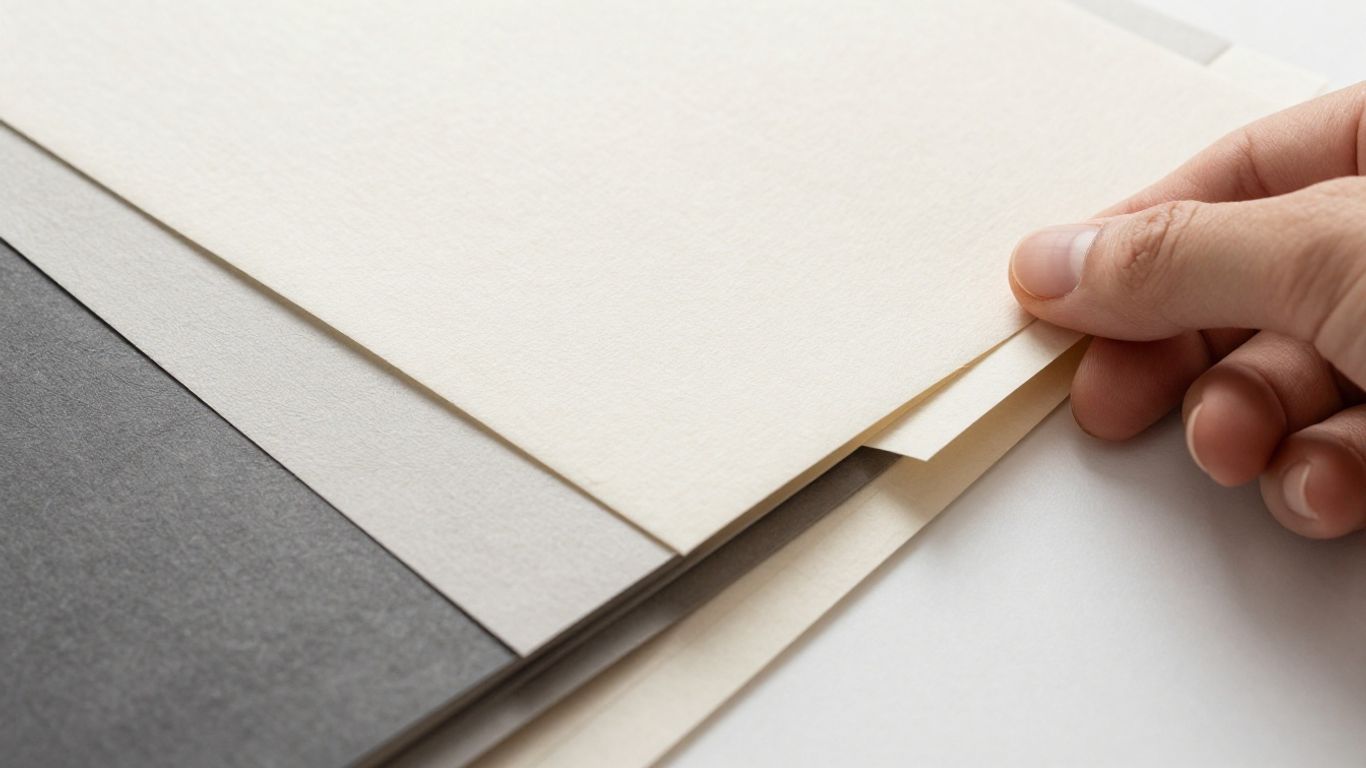
Choosing the right paper for your company letterhead isn’t just about aesthetics; it’s a tangible representation of your brand’s quality and professionalism. The feel, weight, and finish of the paper all contribute to the first impression a potential client or partner receives. Think about it – a flimsy, thin paper might suggest a lack of attention to detail, whereas a substantial, well-textured stock conveys confidence and care. It’s a subtle but significant detail that can influence perception.
Exploring Different Paper Types and Their Properties
When you start looking at paper options, you’ll encounter a variety of terms and specifications. Understanding these will help you make an informed choice. The most common specification you’ll see is paper weight, often denoted in grams per square metre (gsm) or by the basis weight system (like #70 or #100 text weight). Higher gsm or basis weight generally means a thicker, more robust paper.
Here’s a quick look at some common paper types:
- Uncoated Paper: This is a popular choice for letterheads. It has a natural, matte finish and a slightly textured feel. It’s excellent for printing text and line drawings, offering a classic, professional look. It also takes ink well, making it a good candidate for printing details like QR code stickers that need to be easily scannable.
- Coated Paper: These papers have a smooth coating applied, which can be matte, silk, or gloss. They offer sharper image reproduction and a more vibrant colour finish. While often used for brochures or flyers, a silk or matte coated stock can work for letterheads if you’re aiming for a very modern, clean aesthetic.
- Textured Papers: Beyond the standard finishes, there are papers with subtle textures, like linen or laid finishes. These add a tactile element that can make your letterhead feel more premium and distinctive.
Consider how you’ll use your letterhead. If it’s primarily for formal correspondence and invoices, a good quality uncoated stock is usually ideal. If you’re printing intricate designs or full-colour branding, a smooth coated paper might be better. For many UK businesses, incorporating QR code stickers onto their stationery is becoming standard practice for linking to digital resources, and the paper choice can impact how well these codes adhere and scan. A paper with a good surface for adhesives is key here.
Matching Paper Stock to Your Brand's Image
Your company’s brand identity should guide your paper selection. Are you a traditional, established firm, or a modern, innovative startup? A law firm might opt for a heavy, cream-coloured, uncoated stock to convey gravitas and history. Conversely, a tech company might prefer a bright white, smooth, perhaps slightly heavier paper to reflect a forward-thinking, clean image. Think about the colours in your logo and branding – will they pop on a bright white sheet, or would a softer, off-white or cream provide a more sophisticated backdrop?
- Traditional/Formal: Cream or off-white, uncoated, heavier weight (e.g., 100-120gsm).
- Modern/Clean: Bright white, smooth finish, medium to heavy weight (e.g., 90-110gsm).
- Creative/Artistic: Textured papers (linen, felt), unique finishes, or even subtly coloured stocks.
It’s also worth considering how your letterhead will be used alongside other branded materials. If you use QR code stickers on product packaging or marketing materials, ensuring a consistent paper feel and colour across all touchpoints can strengthen your brand recognition. For instance, a construction company might use durable, high-tack QR code stickers on equipment, and choosing a letterhead paper that complements this robust image makes sense.
The Benefits of Recycled and Sustainable Paper Options
In today’s business environment, demonstrating a commitment to sustainability is increasingly important. Many paper manufacturers now offer excellent recycled paper options that don’t compromise on quality or appearance. These papers are made from post-consumer waste, reducing the demand for virgin pulp and lowering the environmental impact.
- Environmental Credentials: Using recycled paper signals your company’s responsibility towards the environment.
- Quality: Modern recycled papers are often indistinguishable from virgin paper in terms of feel and printability. Many are available in various weights and finishes.
- Brand Perception: For many consumers and businesses, choosing recycled materials aligns with their own values, potentially making your company more attractive.
When selecting recycled paper, look for certifications like FSC (Forest Stewardship Council) or PEFC (Programme for the Endorsement of Forest Certification), which indicate responsible forest management. Even if you’re not going fully recycled, consider papers with a high post-consumer waste content. This choice can be particularly relevant if you’re also looking at sustainable options for things like QR code stickers, where eco-friendly materials are becoming more available. A company committed to sustainability might use recycled paper for their letterheads and also opt for biodegradable QR code stickers where appropriate, reinforcing their green message across all communications.
The tactile experience of paper is often overlooked in our digital age, yet it remains a powerful tool for conveying brand values. A well-chosen paper stock can speak volumes before a single word is read.
Ensuring Print Quality and Durability for Company Letter Head Paper
When it comes to your company letterhead, the quality of the print and the paper’s ability to stand the test of time are really important. It’s not just about looking good initially; it’s about maintaining that professional image over time. Think about it – a letter that fades or smudges quickly doesn’t exactly scream reliability, does it? This is where choosing the right paper and printing process really pays off.
Optimising Your Company Letter Head Paper for Printing
Getting the best print results starts with the paper itself. Not all paper is created equal when it comes to taking ink. You’ll want a paper that has a smooth, consistent surface to allow for sharp, clear text and graphics. If you’re printing in-house, make sure your printer is set up correctly for the paper weight you’re using. For everyday office essentials like letterheads, a paper weight between 100gsm and 120gsm is generally a good bet, offering a professional feel without being too heavy for standard printers [86dd].
Consider the inks too. For vibrant colours and crisp lines, especially if you’re including logos or intricate designs, a good quality ink that bonds well with the paper is key. Some businesses even use QR code stickers on their printed materials to link directly to digital versions of their documents or company information. For these stickers to be effective, they need to be printed with high resolution and on durable materials so they scan reliably, even after being handled. Companies in the UK use these for everything from asset tracking to providing digital instructions for equipment.
Understanding Paper Durability for Longevity
Your letterhead might be filed away, kept for years, or even passed around. That’s why durability is more than just a buzzword; it’s about how well your paper holds up. Factors like resistance to yellowing, fading, and general wear and tear are vital. If your letterhead is going to be exposed to different environments, perhaps being used on-site or in a workshop, you might even consider more robust paper options. Some synthetic papers, for example, offer excellent resistance to water and wear, maintaining their integrity in challenging conditions [6e0f].
Think about how the paper will be stored and handled. Will it be folded and put in an envelope regularly? Will it sit on a desk for a while? Choosing a paper that resists creasing and tearing will make a big difference. For critical documents, or for businesses that operate in demanding environments, the longevity of the paper directly reflects the perceived stability and professionalism of the company. Even something as simple as a QR code sticker needs to be durable; using high-tack labels with UV lamination can ensure they last for years outdoors, proving compliance or linking to equipment manuals.
The Importance of Consistent Colour Reproduction
Colour is a huge part of your brand identity. When you print your letterhead, you want the colours to be exactly as you intended. Inconsistent colour reproduction can make your logo look dull or off-brand, undermining the professional image you’re trying to project. This is where working with a reputable printer who understands colour management is so important.
They’ll use calibrated equipment and high-quality inks to ensure that the colours on your letterhead match your brand guidelines precisely. This consistency is also vital for elements like QR codes. If the contrast is off, or the colours are muddy, the code might not scan properly. For example, UK businesses use durable, high-tack QR code stickers to track assets, prove compliance, or link equipment to digital instructions, and consistent colour reproduction is key to their reliability. A well-printed QR code, whether on paper or a sticker, ensures a smooth user experience and reinforces brand trust.
The right paper and print quality aren’t just about aesthetics; they’re about building trust and projecting a stable, professional image that lasts. It’s an investment in how your business is perceived.
Legal and Compliance Aspects of Company Letter Head Paper
When you’re designing your company letterhead, it’s not just about looking good; there are some important legal bits and pieces you need to get right. In the UK, there are specific rules about what information must appear on your business stationery to ensure transparency and compliance. Getting this wrong could lead to fines or other issues, so it’s worth paying attention to.
Essential Information to Include on Your Letter Head
For most UK-registered companies, certain details are mandatory. This includes your company’s registered name, the address of your registered office, and the company registration number. If your company is registered in Scotland, for example, it needs to state that. For limited liability partnerships (LLPs), you’ll need to show the LLP registration number and registered office. It’s also a good idea to include contact details like a phone number and email address, even if not strictly legally required for all business types. Think of it as making it easy for people to get in touch and verify you’re a legitimate business. You might even consider adding a QR code that links directly to your company’s registration details on the Companies House website, offering a quick and verifiable way for recipients to check your status. This can be particularly useful for building trust with new clients or suppliers.
Adhering to UK Business Registration Requirements
Different types of businesses have slightly different requirements. For instance, if you’re a limited company, you must display your registered name and number. Solicitors, on the other hand, have additional obligations, such as displaying their SRA entity authorisation number and stating they are regulated by the Solicitors Regulation Authority. This level of detail helps maintain professional standards across industries. For asset-heavy businesses, using durable QR code stickers on equipment can help track ownership and maintenance records, indirectly supporting compliance by ensuring equipment is properly managed and documented. For example, a construction firm might use high-tack QR code stickers on tools to link them to digital maintenance logs, proving they meet safety standards.
Data Protection Considerations for Business Correspondence
When you send out letters, you’re handling personal data. This means you need to be mindful of data protection laws, like the UK GDPR. Ensure that any personal information you collect and store is processed lawfully, fairly, and transparently. Your letterhead itself should be clear about who you are, but the content of your letters must also respect privacy. If you’re including information that could identify an individual, make sure there’s a valid reason for it and that it’s handled securely. For businesses that need to track sensitive equipment or assets, using QR code stickers with unique identifiers can help manage access and data associated with those items, ensuring that only authorised personnel can access relevant information. For instance, a logistics company might use tamper-evident QR code stickers on high-value shipments to track their journey and prove chain of custody, all while respecting the privacy of the shipment’s contents.
Sourcing and Ordering Your Company Letter Head Paper
Finding the right printer for your company letterhead is a bit like choosing the right paper – it matters. You want someone who understands quality, can deliver on time, and makes the process straightforward. It’s not just about getting paper printed; it’s about getting professional stationery that reflects your business well.
Finding Reliable UK-Based Printers for Your Letter Head
When looking for a printer, especially for something as important as your letterhead, sticking to UK-based companies often makes sense. It means you’re supporting local businesses and usually get faster turnaround times and easier communication. Think about printers that specialise in business stationery. They’ll know the ins and outs of paper weights, finishes, and what works best for professional use. Many offer online ordering systems, which can be really convenient. For example, some printers offer professional letterhead printing services with quick turnaround times, ideal for businesses needing high-quality, custom designs.
It’s also worth considering how they handle other branded materials. Some companies that print letterheads also offer services like custom QR code stickers. These durable, high-tack labels can be used for all sorts of things, from tracking assets to linking equipment to digital instructions, proving compliance, or even just making it easier for customers to find your website. Companies like Inkwell Printing provide a range of business printing services, including letterheads, and often have options for other branded items too.
Understanding Lead Times and Turnaround for Custom Orders
Lead times can vary quite a bit. A simple, standard letterhead might be ready in a few days, but if you’re after something more specific – like a particular paper stock, a special finish, or customisation like integrating your logo with QR codes – it could take longer. Always ask about their typical turnaround for custom orders. Some printers offer next-day dispatch on certain items, which is great if you’re in a hurry. For businesses that need repeat orders, setting up a standing stock programme can be a good idea. This means the printer holds your pre-approved stationery, ready to ship out on demand, cutting down waiting times significantly.
The Value of Expert Advice in the Ordering Process
Don’t underestimate the benefit of talking to someone who knows their stuff. A good printer won’t just take your order; they’ll offer advice. They can help you choose the best paper weight and texture for your brand, advise on print finishes, and even help with design elements. For instance, if you’re considering adding QR codes to your letterhead or other materials, an expert can guide you on the best placement and format for reliable scanning. They can also advise on durable QR code stickers for asset tracking or compliance needs, ensuring they stand up to use. Getting this expert advice upfront can save you time, money, and potential headaches down the line.
When ordering, be clear about your needs. Provide your logo files in the correct format, specify any colours you need matched, and confirm the quantity. If you’re unsure about any aspect, ask for samples or a digital proof before the main print run. This step is vital for catching any errors and ensuring the final product is exactly what you envisioned.
Enhancing Your Brand with Premium Company Letter Head Paper
The Psychological Impact of High-Quality Stationery
It might seem like a small detail, but the paper you choose for your company letterhead can actually say a lot about your business. Think about it: when you receive a letter on thick, textured paper with crisp printing, it feels more important, more official, doesn’t it? That’s the psychological impact of quality stationery at play. It subtly communicates that you pay attention to detail and value professionalism. This can make a big difference in how clients, partners, and even potential employees perceive your brand. Even something as simple as a well-designed letterhead can be a powerful tool in building trust and credibility. For instance, many UK businesses are now integrating QR code stickers onto their official documents, not just for marketing, but to provide instant access to company information or compliance details, adding another layer of perceived professionalism and efficiency.
Creating a Cohesive Brand Experience Across All Touchpoints
Your letterhead is just one piece of the puzzle when it comes to your brand’s image. It needs to fit in with everything else – your website, your social media, your business cards, and even how your staff answer the phone. Using high-quality paper for your letterhead helps to create a consistent, polished look and feel across all these different points of contact. This consistency builds recognition and reinforces your brand identity. Imagine a client receiving a beautifully printed letter, then visiting a website that looks just as professional. That kind of unified experience makes your brand memorable and trustworthy. It’s about making sure every interaction a customer has with your business leaves a positive and lasting impression. This attention to detail extends to how you manage your assets too; using durable QR code stickers on equipment, for example, ensures that even physical items link back to your brand’s digital presence and information.
Investing in Company Letter Head Paper as a Marketing Tool
Don’t underestimate the power of your letterhead as a marketing tool. It’s not just for sending invoices or official notices; it’s an opportunity to showcase your brand. A well-designed letterhead on premium paper can make a statement. It can convey a sense of stability, trustworthiness, and success. Think of it as a silent salesperson working for you. For example, many UK firms are now using custom QR code stickers on their letterheads, which can link directly to a company brochure, a special offer, or a ‘meet the team’ page on their website. This turns a static document into an interactive marketing piece. It’s a smart way to provide more information and engage your audience without cluttering the main message. The key is to see your letterhead not as an expense, but as an investment in your brand’s image and its potential to attract and retain business. Custom letterhead printing can be a surprisingly effective way to achieve this.
Final Thoughts on Letterhead Paper
So, picking the right paper for your company letterhead might seem like a small detail, but it really does make a difference. It’s about making a good first impression, showing you care about quality. Think about what you want your business to say. Is it modern and sleek, or more traditional and established? The paper you choose is a quiet way to communicate that. Don’t overthink it too much, though. A good quality, standard paper will serve most businesses well. If you’re unsure, getting a few samples to feel and see in person is always a good idea. Ultimately, the best choice is one that feels right for your company and your budget.
Frequently Asked Questions
What's the main reason for using good quality paper for my company's letters?
Using top-notch paper makes your company look professional and trustworthy. It’s like wearing smart clothes for a job interview – it shows you care about details and respect the person you’re writing to. This can make a big difference in how seriously people take your business.
How does the weight and feel of the paper affect what people think of my company?
Heavier, textured paper often feels more luxurious and important, suggesting your company is established and successful. Lighter, smoother paper might feel more modern or eco-friendly. The paper you choose sends a subtle message about your brand’s personality and values.
Are there any specific UK rules I need to follow for my letterhead paper?
Yes, you must include certain details on your letterhead, like your company name, registered address, and company registration number if you’re a limited company. It’s important to check the official UK government website for the most up-to-date requirements to stay compliant.
What's the difference between recycled and regular paper for letterheads?
Recycled paper is made from used paper, which is great for the environment. Regular paper is made from new wood pulp. Both can look good, but recycled paper shows your company is committed to being eco-friendly. Just make sure it’s still good quality and prints well.
How can I make sure my letterhead looks good when printed?
It’s best to use a professional printer who knows about paper. They can help you choose the right paper that works well with their printing machines. Also, make sure your design is clear and the colours are set up correctly for printing to avoid any blurry or dull results.
Is it worth spending more on fancy letterhead paper?
Absolutely! Think of your letterhead as a silent salesperson. High-quality paper can make a lasting positive impression, making your communications more memorable and reinforcing your brand’s image. It’s an investment that can pay off by building trust and showing you’re serious about your business.