

You see them everywhere now, don’t you? Little black and white squares stuck on walls, lampposts, even shop windows. They’re called graffiti QR codes, and they’re changing how we interact with the world around us. What started as a way to quickly share website links has become a bit of an art form itself, blending the digital world with our everyday streets. It’s quite interesting to see how something so technical can become so visible.
Key Takeaways
- Graffiti QR codes are moving from being a niche art concept to a common way to connect physical locations with digital information.
- Their use has really picked up speed recently, especially with the rise of smartphones and digital interactions.
- These codes are being used for all sorts of things, from making public services easier to use and helping tourists, to making shopping and giving feedback much simpler.
- Making sure these codes are easy to scan is important, so designers think about how they look, what materials are used, and how big they are.
- There’s a lot of flexibility with how graffiti QR codes can be set up, from simple links to more complex, secure, or branded options.
The Evolving Landscape of the Graffiti QR Code
From Niche Art to Ubiquitous Tool
QR codes, once primarily seen in industrial settings for tracking parts, have made a remarkable journey into the public consciousness. Initially, their appearance in urban art was a niche phenomenon, a clever way for artists to add a digital layer to their physical work. However, this has rapidly changed. We’re now seeing QR codes integrated into everything from street art murals to simple stickers slapped on lampposts. This shift from a specialised tool to a widely recognised symbol is quite something. For instance, organisations across the UK are now using durable, high-tack QR code stickers for practical purposes, like asset tracking. Think about Transport for London, which has moved towards using QR codes on its vast network of assets, offering a more future-proof solution than traditional barcodes. These stickers aren’t just for show; they’re becoming essential for tracking equipment and linking it to digital instructions or maintenance logs.
Accelerated Adoption in Recent Years
The past few years have seen an explosion in QR code usage, a trend significantly boosted by global events. The need for contactless interactions pushed QR codes into the mainstream. Suddenly, scanning a code for a restaurant menu or to check into a venue became commonplace. This widespread adoption has made people more comfortable with the technology, paving the way for its integration into more creative and practical applications. It’s not just about convenience anymore; it’s about efficiency and connectivity. Many UK businesses have found that simple QR code stickers, especially those made with durable, high-tack materials, are a cost-effective way to manage assets and provide instant access to information. For example, fire door inspections now commonly use sequentially numbered QR code stickers to help identify and track doors, aiding compliance with new legislation.
The Blending of Physical and Digital Realms
Perhaps the most significant aspect of the graffiti QR code’s evolution is how it bridges the gap between the physical and digital worlds. A piece of street art can now lead you to an artist’s online portfolio, a historical marker can offer an interactive story, or a simple sticker on a piece of equipment can provide immediate access to its user manual. This fusion is transforming how we interact with our environment. It’s no longer just about looking at something; it’s about engaging with it. The humble QR code sticker has become a key enabler of this blended experience. We see this in action with companies providing asset tracking labels, fire door inspection tags, and even event signage, all featuring QR codes that link physical objects to digital data. This makes managing and understanding assets far simpler and more immediate.
Here’s a look at how different sectors are adopting QR codes:
| Sector | Application |
|---|---|
| Public Transport | Asset tracking, maintenance logs |
| Retail | Product information, contactless menus |
| Cultural Heritage | Interactive historical information |
| Facilities Management | Compliance checks, asset identification |
| Healthcare | Digital patient information, appointment booking |
The rapid integration of QR codes into everyday life signifies a broader trend towards digitising physical interactions. What started as a tool for industrial logistics has evolved into a versatile connector, seamlessly linking the tangible world with the vast resources of the digital space. This evolution is not just about novelty; it’s about practicality and the ongoing quest for more efficient information exchange.
Practical Applications of Graffiti QR Codes
QR codes are no longer just a novelty; they’ve become a practical tool for organisations across the UK, quietly improving how we manage services and interact with our environment. Think about public bins, for instance. Councils like South Cambridgeshire have placed durable QR code stickers on them. This means residents can quickly report a full bin by scanning the code, sending a direct link to the council’s reporting system. It’s a simple step that helps keep our streets cleaner without much fuss.
Enhancing Public Services and Safety
Beyond bin reporting, QR codes are making public services more accessible and accountable. In North Yorkshire, a "Scan an Officer" scheme was piloted where police officers wear badges with QR codes. Scanning these codes connects the public to the local police’s messaging platform, making it easier to sign up for crime alerts or get local safety advice. This isn’t about replacing face-to-face interaction, but extending the conversation and keeping people informed. Similarly, Transport for London uses QR code stickers for asset tracking across its vast network, providing a straightforward way to identify and manage everything from infrastructure to equipment. These durable, high-tack labels are vital for ensuring that information is always accessible, even in demanding environments.
Modernising Cultural Traditions and Tourism
QR codes are also finding their way into more traditional and cultural spaces. Imagine visiting a historical site and being able to scan a discreet QR code sticker to access detailed information about an exhibit or a building’s history. This approach transforms static displays into dynamic learning experiences, offering visitors a deeper connection to the past. It’s a way to bring local history to life, much like how some public art installations are now being enhanced with QR codes to share stories behind the pieces [f2f5]. This blends the physical experience of visiting a place with readily available digital content, making cultural heritage more engaging for everyone.
Streamlining Transactions and Feedback
In the commercial world, QR codes are simplifying everyday transactions and feedback loops. For businesses, especially those with mobile workforces or distributed assets, tracking and compliance are made easier. For example, inspection firms across the UK use QR code stickers on fire doors to meet legal requirements, allowing for quick checks and digital record-keeping. Even something as simple as a QR code sticker on a piece of equipment can link directly to digital instructions or maintenance logs. This not only streamlines operations but also provides a clear audit trail.
The practical integration of QR codes, often through robust stickers, is about making information accessible and processes smoother. It’s about using a simple scan to connect the physical world with useful digital data, whether that’s reporting a problem, accessing historical context, or verifying compliance.
This shift towards digital integration, even in small ways like using QR code stickers, is making public services more responsive and businesses more efficient. It’s a quiet revolution happening on our streets and in our workplaces.
Creative Integration of QR Codes in Urban Environments
Visually Striking QR Artwork
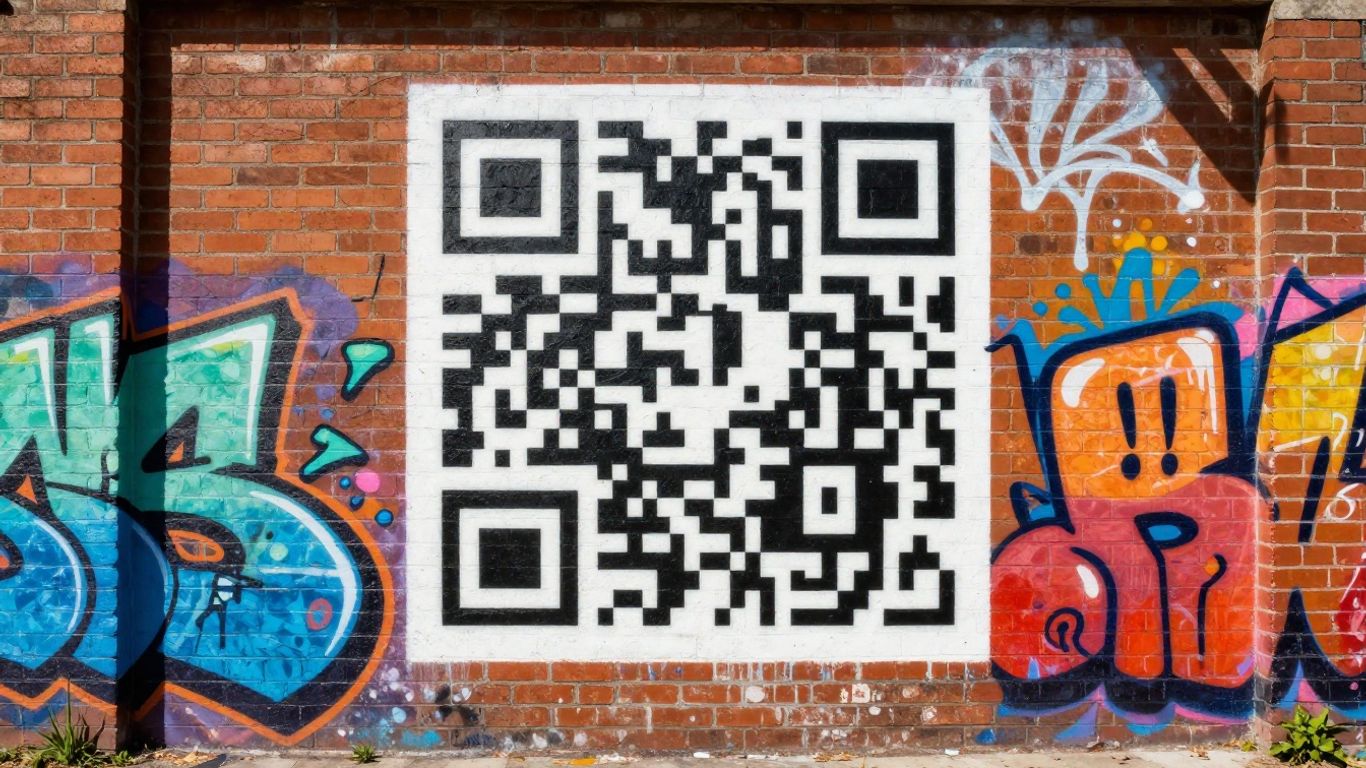
QR codes are no longer just functional squares; they’re becoming canvases for creativity. Artists and designers are now incorporating QR codes directly into their visual work, transforming them from simple data carriers into integral parts of the artwork itself. This approach blurs the lines between digital information and physical aesthetics. Imagine a mural where the QR code isn’t just an add-on, but a carefully designed element that flows with the rest of the piece, perhaps mimicking a texture or shape within the painting. This isn’t just about making a code scannable; it’s about making it beautiful. Some artists even use tools to generate visually unique QR codes that function as art pieces on their own, a fascinating blend of technology and artistic expression generating AI art QR codes.
Interactive Digital Walls on Physical Objects
Think about how everyday objects in our cities could become interactive. A park bench, a lamppost, or even a section of a building facade could host a QR code sticker. When scanned, these codes could unlock a wealth of information or experiences. For instance, a QR code on a historical building might reveal its past through text and images, or a code on a piece of public art could link to details about the artist and their inspiration. This turns static urban elements into dynamic points of engagement. In the UK, organisations like Transport for London are using QR code stickers to track assets across their vast network, a practical application that shows how durable, high-tack labels can be applied to almost any surface to link equipment to digital instructions or maintenance logs.
Transforming Streets into Digital Experiences
Our streets are increasingly becoming digital spaces. QR codes are a key part of this transformation, allowing us to connect the physical environment with online content in real-time. This can range from simple directional signs to complex interactive trails. For example, a city might create a ‘history trail’ where scanning QR codes at various points reveals stories, old photographs, or even audio clips related to that specific location. This makes exploring a city a much richer, more engaging experience. It’s a way to bring the digital world into our physical surroundings, making information accessible and interactive right where you are. This approach is also being used to create immersive urban art routes, bridging the gap between digital maps and real-world encounters bringing urban art routes to life.
Ensuring Reliable Graffiti QR Code Scans
Design Considerations for Readability
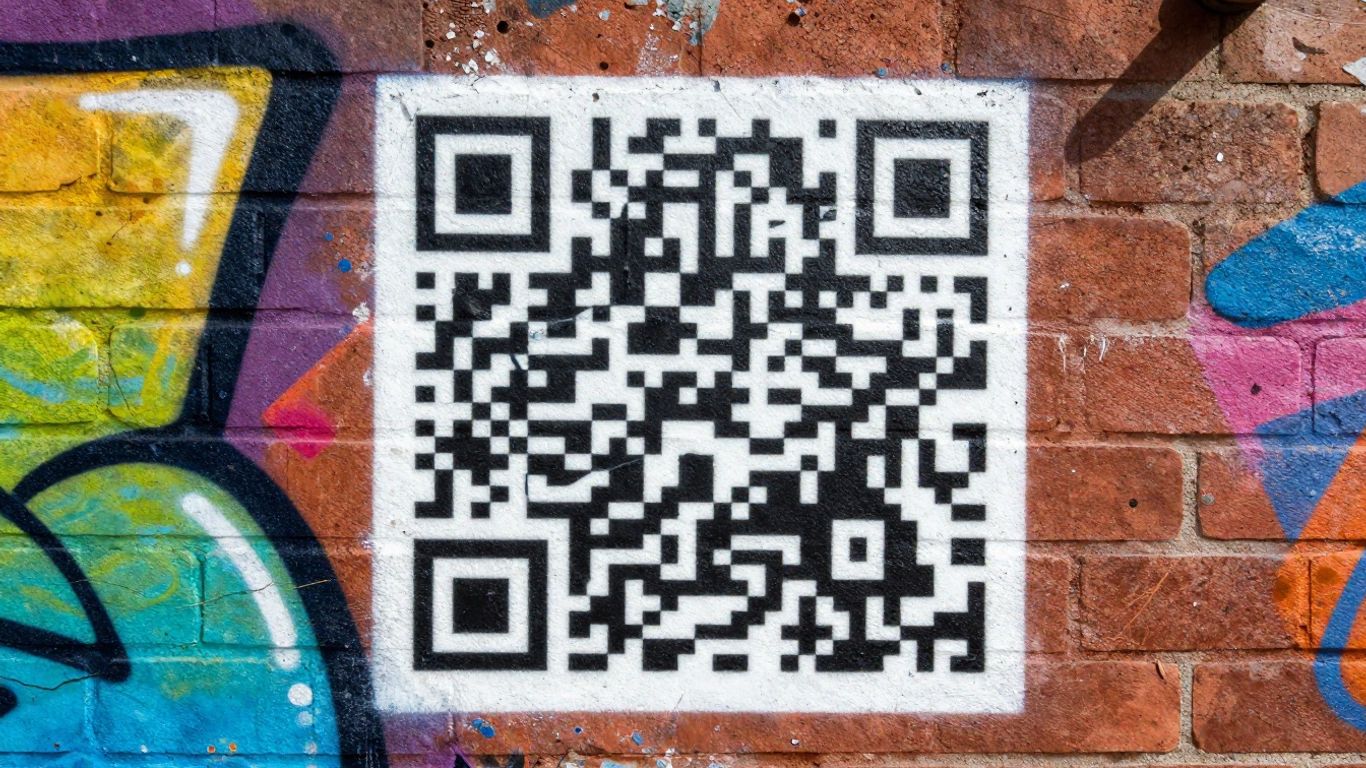
Getting a QR code to scan reliably, especially when it’s part of street art, is all about the details. It’s not just about slapping a code onto a wall; you need to think about how it will be viewed and interacted with. The most important factor is contrast – a dark code on a light background, or vice versa, is key. Think about the environment it will be in. Will it be in direct sunlight, where glare could be an issue? Or perhaps on a textured surface that might distort the image? For graffiti QR codes, using high-contrast colours and a clear ‘quiet zone’ (the blank space around the code) is vital. Even small details like the size of the individual squares, or ‘modules’, within the code can impact scannability. If you’re incorporating a logo in the centre, you need to use a high error correction level to make sure it still scans properly. It’s a bit like making sure a sign is legible from a distance; the same principles apply here, just with a digital twist. For instance, organisations like Transport for London use QR code stickers that feature both QR codes and traditional barcodes, offering a transition and flexibility for staff and contractors. This ensures scannability across different devices and conditions.
Material Durability for Outdoor Use
When your graffiti QR code is exposed to the elements, the material it’s printed on becomes just as important as the design itself. A standard paper sticker won’t last long against rain, sun, and general wear and tear. For outdoor use, you’ll want to look at durable materials like weather-resistant vinyl. Many providers offer QR code stickers with a clear overlaminate, which adds an extra layer of protection against UV rays and moisture. This is particularly important for codes that need to last for a long time, like those used for asset tracking or public service information. For example, some outdoor vinyl labels with UV laminate can last 3–5 years in normal conditions. This means your QR code, whether it’s linking to digital instructions for equipment or providing safety information, will remain scannable for its intended lifespan. Think about the Amex Stadium using QR codes for equipment testing for health and safety – that needs to be robust.
Optimising Size and Contrast
Getting the size and contrast right for your graffiti QR code is a balancing act. Too small, and it might be unreadable from a typical scanning distance. Too large, and it might not fit the artistic vision or the available space. A general rule of thumb is that the minimum printed size should be roughly the scan distance divided by 10. So, if you expect people to scan it from a metre away, the code should be at least 10cm wide. Contrast, as mentioned, is king. Dark colours on light backgrounds are best. Avoid using colours that are too similar, as this can confuse the scanner. Some UK organisations, like South Cambridgeshire District Council, use QR code stickers on bins to make reporting issues easier. These stickers need to be easily scannable by anyone passing by, so clear contrast and appropriate sizing are non-negotiable. If you’re looking to create painted QR codes, using stencils and spray paint requires careful consideration of these factors to ensure effective placement and scannability.
The effectiveness of a QR code, especially in a public or artistic setting, hinges on its ability to be scanned quickly and accurately. This requires a thoughtful approach to design, material selection, and placement, considering the real-world conditions it will face. A well-executed QR code is one that works reliably, every time.
The Versatility of Graffiti QR Code Solutions
Dynamic and Sequential Code Options
QR codes aren’t just static images; they can be incredibly dynamic. Dynamic QR codes, for instance, can be updated after they’ve been printed. This means if the linked information changes – perhaps a website URL or a contact number – you don’t need to reprint the entire graffiti piece or sticker. You simply update the destination link. This is a game-changer for campaigns or information that might evolve. Think of a street art piece that initially links to an artist’s portfolio, but later can be updated to link to an exhibition announcement.
For tracking purposes, sequential QR codes are invaluable. Imagine a council needing to track thousands of identical-looking bins across a city. Each bin gets a QR code sticker with a unique number in sequence. This allows for straightforward asset tracking, proving compliance, or linking specific equipment to digital instructions. Many UK organisations are already using these durable, high-tack labels for exactly this reason. For example, Transport for London uses QR code stickers to track assets across their network, a move from older barcode systems that offers a more future-proof solution. Similarly, housing associations like Saxon Weald use sequentially numbered QR code stickers on firedoors to record maintenance and repairs, making compliance checks much simpler.
Variable Data for Enhanced Security
Beyond simple sequences, variable data QR codes offer a higher level of security and personalisation. Unlike sequential codes, the data within these codes is less predictable. This is particularly useful for things like discount vouchers or unique access control. If you’re running a promotion, each QR code sticker can contain a unique code that can only be used once, preventing fraud and allowing for detailed tracking of redemption. This is also seen in theme parks, where unique, variable alphanumeric codes on wallet cards link to private photo galleries, ensuring privacy and security for each visitor’s memories.
Bespoke Designs for Brand Integration
QR codes don’t have to be plain black and white squares. They can be fully integrated into the visual aesthetic of street art or branding. Bespoke designs can incorporate logos into the centre of the code, wrap text around the edges, or even use custom shapes and colours. The key is to maintain scannability while making the code visually appealing and on-brand. This approach turns a functional tool into an artistic element. For instance, a QR code sticker on a piece of equipment could feature the company’s logo and colours, making it a subtle yet effective part of the overall design, while still providing easy access to digital instructions or maintenance logs. This level of customisation means QR codes can truly become part of the urban landscape, not just an add-on.
Future Trends in Graffiti QR Code Usage
The way we interact with graffiti and urban art is set to become even more dynamic. We’re seeing a clear move towards integrating QR codes with augmented reality (AR), which could transform a simple spray-painted mural into an interactive gateway. Imagine scanning a code on a wall and seeing the artwork come to life on your phone, perhaps revealing hidden layers, artist commentary, or even a 3D model of the piece. This fusion of physical art and digital technology opens up new dimensions for artistic expression and audience engagement, transforming how we interact with urban art [9c36].
Beyond AR, the future holds the promise of more personalised user experiences. QR codes could adapt based on who is scanning them, offering different content or interactions depending on the user’s profile or location. This could mean a local resident seeing historical information about a mural, while a tourist might get details about the artist’s international career. It’s about making the interaction relevant and unique for each individual.
We’re also likely to see a continued evolution in how QR codes are integrated into the urban fabric itself. Think beyond simple stickers; imagine codes subtly woven into the texture of a wall or integrated into street furniture. This approach aims to make the digital connection feel like a natural extension of the physical environment, rather than an add-on. Durable, high-tack labels are already playing a role here, ensuring these digital touchpoints can withstand the elements and daily wear and tear. For instance, organisations like Transport for London are already using QR code stickers for asset tracking across their network, a practical application that hints at the future potential for more integrated and robust solutions [b04f].
- Augmented Reality Integration: Artworks become portals to digital experiences.
- Personalised Content: Tailored information and interactions for each user.
- Seamless Physical-Digital Blending: Codes become an intrinsic part of the urban landscape.
- Advanced Durability: High-performance QR code stickers designed for longevity in public spaces.
The ongoing development of QR code technology, coupled with advancements in mobile devices and connectivity, points towards a future where the lines between street art and digital content are increasingly blurred. This evolution promises richer, more engaging, and personalised experiences for anyone interacting with urban art.
The Future is Scannable
So, there you have it. What started as a way to track parts in factories has really grown into something much more. From helping people find menus during tricky times to making sure buildings are safe, these little squares are everywhere now. They’re a simple tool, really, but they connect our physical world to all the digital stuff we use every day. It’s not just about novelty anymore; it’s about making things easier, faster, and more informative for everyone. As we move forward, expect to see them pop up in even more places, quietly making our lives a bit more connected.
Frequently Asked Questions
What exactly is a graffiti QR code?
Think of a graffiti QR code as a regular QR code, but instead of being printed on paper or a screen, it’s part of street art. It might be painted, stencilled, or stuck onto a wall as a sticker. When you scan it with your phone, it can take you to a website, show a video, or give you some digital information.
Why would artists put QR codes in their street art?
It’s a cool way to mix art you can see with information you can access online. Artists might use them to share more about their work, link to their social media, or even tell a story that goes beyond the painting itself. It makes the art interactive and connects the physical piece to the digital world.
Are these codes safe to scan?
Generally, yes, but like any link you find online or elsewhere, it’s wise to be a little careful. Most QR codes in street art are for fun or sharing information. However, it’s always a good idea to make sure your phone’s security is up to date. If a code looks suspicious or is in a strange place, you might want to skip scanning it.
How do you make sure a graffiti QR code can be scanned easily?
For a QR code to work well, it needs to be clear and have good contrast. This means the dark parts should be clearly different from the light parts. Artists need to make sure the code isn’t too small or blurry, and that it’s placed where it won’t get too much glare from the sun or be damaged by the weather.
Can these codes be used for more than just art?
Absolutely! While street art is a creative use, QR codes are also used for practical things. Imagine scanning a code on a park bench to learn about the local wildlife, or on a historical building to get more information. They can help people find public services, learn about local events, or even make payments.
What's the future of QR codes in public spaces?
It looks like they’ll become even more common. We might see them used with virtual reality to bring art to life, or used to give personalised information based on where you are. The idea is to make our cities and public spaces more connected and full of interesting digital experiences.