

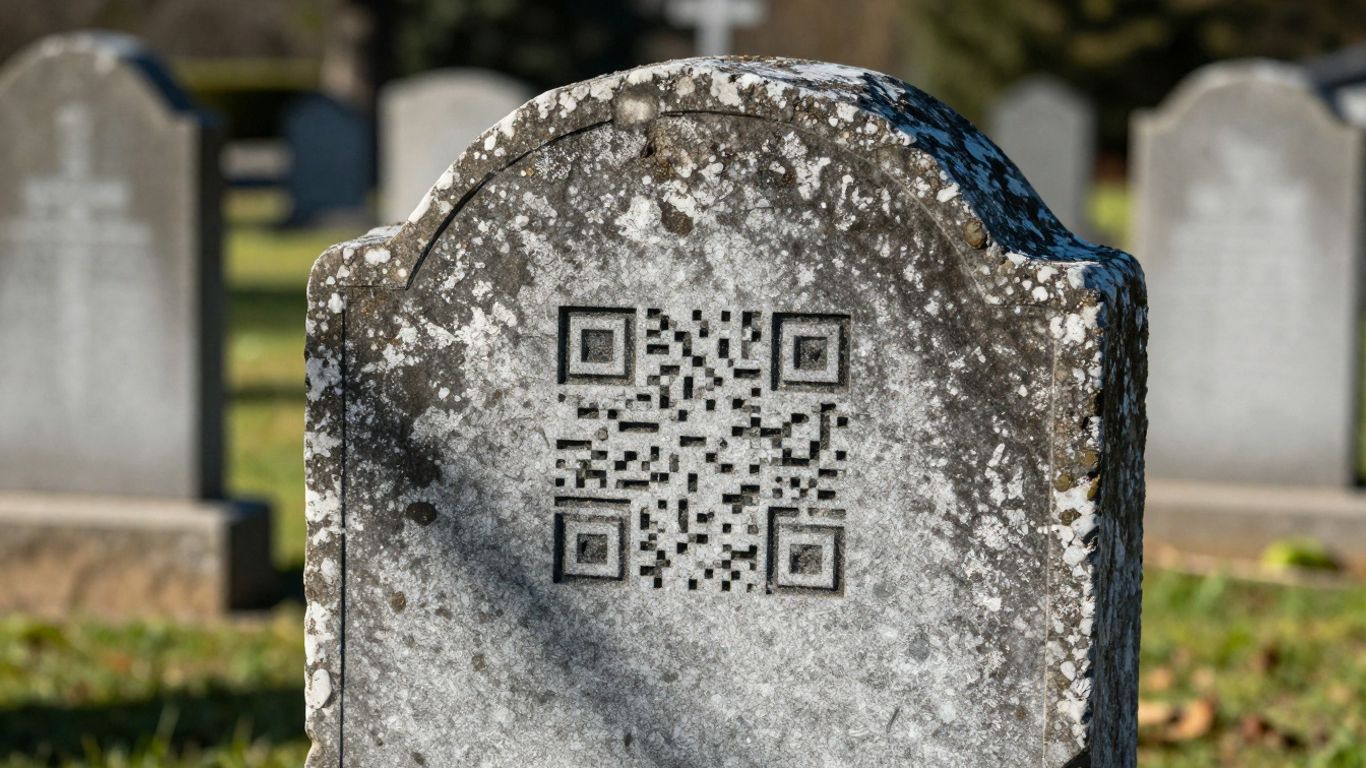
It’s a bit of a strange thought, isn’t it? Putting a QR code on a headstone. I mean, you think of gravestones as being pretty traditional, all stone and quiet. But things are changing, and now, in the UK, we’re seeing these little squares popping up. They’re called headstone QR codes, and they’re basically a way to link the old ways of remembering people with our digital lives. It’s not something everyone’s jumped on board with yet, and I can see why, but it’s definitely a trend worth looking into.
Key Takeaways
- A headstone QR code is a scannable code placed on a gravestone that links to digital content about the person buried there.
- These codes can offer a new way for families to share memories, stories, and historical information about their loved ones.
- Implementing headstone QR codes requires careful thought about privacy, consent, and the durability of the materials used.
- The technology behind these codes is relatively simple, but it needs to be linked to secure and lasting digital content.
- While still a new idea for many, the use of headstone QR codes reflects a broader shift towards using technology to preserve legacies and connect with the past.
The Evolution Of Memorialisation With Headstone QR Codes
Bridging Tradition And Technology
For centuries, headstones have served as enduring markers of remembrance, silent storytellers of lives lived. They are traditional, tangible links to our past. But as we move further into the digital age, the ways we honour legacies are also evolving. This shift isn’t about replacing the old with the new, but rather about finding ways to blend them. Think of it like this: while we still cherish handwritten letters, we also use email for quick communication. It’s about adding layers, not stripping them away. The headstone QR code is a prime example of this, offering a bridge between the physical gravestone and a vast digital world of memories and information. It’s a way to keep stories alive in a format that resonates with today’s connected world.
Understanding The Headstone QR Code
At its core, a headstone QR code is a scannable square, much like the ones you might see on posters or product packaging. When a smartphone camera is pointed at it, the code directs the user to a specific online location. This could be a webpage dedicated to the deceased, containing photos, videos, written life stories, or even links to family trees. It’s a simple piece of technology, but its potential for memorialisation is profound. Unlike traditional methods that are limited to the inscription on the stone, a QR code can link to an ever-expanding digital archive. We’ve seen similar practical applications of QR code stickers used by UK organisations for asset tracking, proving compliance, or linking equipment to digital instructions. These durable, high-tack labels demonstrate the reliability of QR technology in various environments, suggesting a similar robustness can be applied to memorialisation.
A New Dimension To Remembrance
This technology introduces a completely new dimension to how we remember people. Instead of a static inscription, you get a dynamic portal. Imagine a grandparent’s favourite music playing, or a video of them sharing a cherished memory, accessible with a simple scan. It allows for a more personal and interactive form of remembrance, moving beyond the physical limitations of the cemetery. This approach can provide a richer narrative, offering future generations a more vivid connection to their ancestors. It’s a way to ensure that a person’s story doesn’t end with their final resting place, but continues to be shared and experienced. This digital remembrance trend is growing, offering meaningful tributes that can be accessed from anywhere, bringing cherished memories from the grave into the living room [b2da].
Practical Applications Of Headstone QR Codes In The UK
Connecting With Digital Legacies
The idea of a headstone QR code is to create a bridge between the physical memorial and a digital space where a person’s life story can be shared. It’s about making a grave marker more than just a name and dates; it’s a gateway to a richer understanding of who that person was. Think of it as a digital extension of their life, accessible to anyone who visits. This allows for a more personal and dynamic way to remember someone, moving beyond the traditional stone.
Sharing Life Stories And Memories
This is where the real magic happens. A QR code can link to a dedicated webpage or online memorial. Here, families can upload photos, videos, written anecdotes, and even audio recordings. It’s a way to keep memories alive and share them with future generations. Imagine a grandchild being able to see and hear their grandparent tell a favourite story, something that wouldn’t be possible with a standard headstone. This creates a living archive, a testament to a life lived. For example, organisations like South Cambridgeshire District Council use QR code stickers on bins to report issues, showing how simple scanning can connect people to useful information. While not a memorial, it demonstrates the ease of connecting people to digital content through a simple scan. QR code plaques on gravestones can be positioned for easy visibility and scanning, allowing visitors to access this digital content.
Providing Historical Context
Beyond personal memories, headstone QR codes can offer historical context. They can link to information about the local area, the historical period the person lived in, or even details about the cemetery itself. This can be particularly interesting for genealogists or anyone curious about the past. It turns a visit to a gravesite into a potential learning experience. For instance, Northampton Market uses a QR code trail to share its history, turning a public space into an interactive learning environment. This shows how QR codes can enrich our understanding of places and the people connected to them. Durable, high-tack labels are key here, optional for longevity and clear scanning in various weather conditions. This practical application of QR codes, seen in asset tracking by Transport for London, highlights their use in providing specific information tied to a location or item.
Here’s a look at how QR codes are used in other sectors:
- Asset Tracking: Companies use QR code stickers to track equipment, ensuring compliance and easy access to digital instructions. Brighton & Hove Albion’s Amex Stadium uses them for equipment testing for health and safety.
- Compliance: Fire door inspections in the UK now often use QR code stickers to log checks and record maintenance, meeting regulatory requirements.
- Public Services: Councils use QR code stickers on bins for residents to report issues, streamlining communication and improving services.
The integration of QR codes into memorials is a natural progression, mirroring their adoption in other areas of life where quick access to information and digital connection is becoming the norm. It’s about adapting tradition to meet modern expectations for remembrance.
Ensuring Respectful Implementation Of Headstone QR Codes
Navigating Sensitivity And Consent
When thinking about adding a QR code to a headstone, the first thing to consider is sensitivity. This isn’t just about sticking a label on something; it’s about respecting the memory of the person and the feelings of their loved ones. Getting consent from the next of kin is absolutely vital before any QR code is placed. It’s not something to be done without clear agreement. Imagine the distress if someone discovered a QR code on a family grave without any prior discussion. We’ve seen how things can go wrong when technology is introduced without thought, like that incident in Munich where maintenance workers put up QR code stickers for their own tracking, causing upset and confusion. It’s a stark reminder that even with good intentions, the approach matters. For families, this means having open conversations about what they want their digital memorial to look like and how it will be accessed. It’s about making sure the technology serves remembrance, not intrudes upon it.
Choosing Durable And Appropriate Materials
Once consent is given, the next step is picking the right materials. A headstone is a permanent marker, and whatever we add to it should be too. We’re not talking about flimsy paper stickers that will peel off in the first rain. Think about materials that can withstand the British weather – sun, rain, frost, the lot. High-tack, durable labels are a good option, especially if they’re designed for outdoor use. Some companies offer weatherproof vinyl stickers that can last for years. For a more integrated look, you might consider engraving the QR code directly onto a small metal plaque that can be affixed to the headstone or placed nearby. This ensures longevity and a more respectful appearance. It’s about finding a balance between the digital information the QR code provides and the physical permanence of the memorial itself. For instance, Transport for London uses durable QR code stickers to track assets across their network, proving that with the right materials, these codes can stand the test of time and use.
Best Practices For Placement
Where you put the QR code is just as important as what it’s made of. It needs to be accessible for scanning, but also discreet enough not to be intrusive. Cemeteries often have rules about what can be attached to headstones, so it’s important to check those first. Generally, a spot on the headstone itself, or a small plaque placed at the base, works well. The key is that it should be easy for someone visiting the grave to find and scan without having to strain or search too hard. Think about the angle and height – can someone easily point their phone at it? Avoid placing it where it might be easily damaged by groundskeeping equipment or where it might obscure other inscriptions on the headstone. The goal is for the QR code to be a helpful addition, not a distraction. It’s about making sure the digital link is there when people want it, without altering the fundamental nature of the memorial.
The Technology Behind Headstone QR Codes
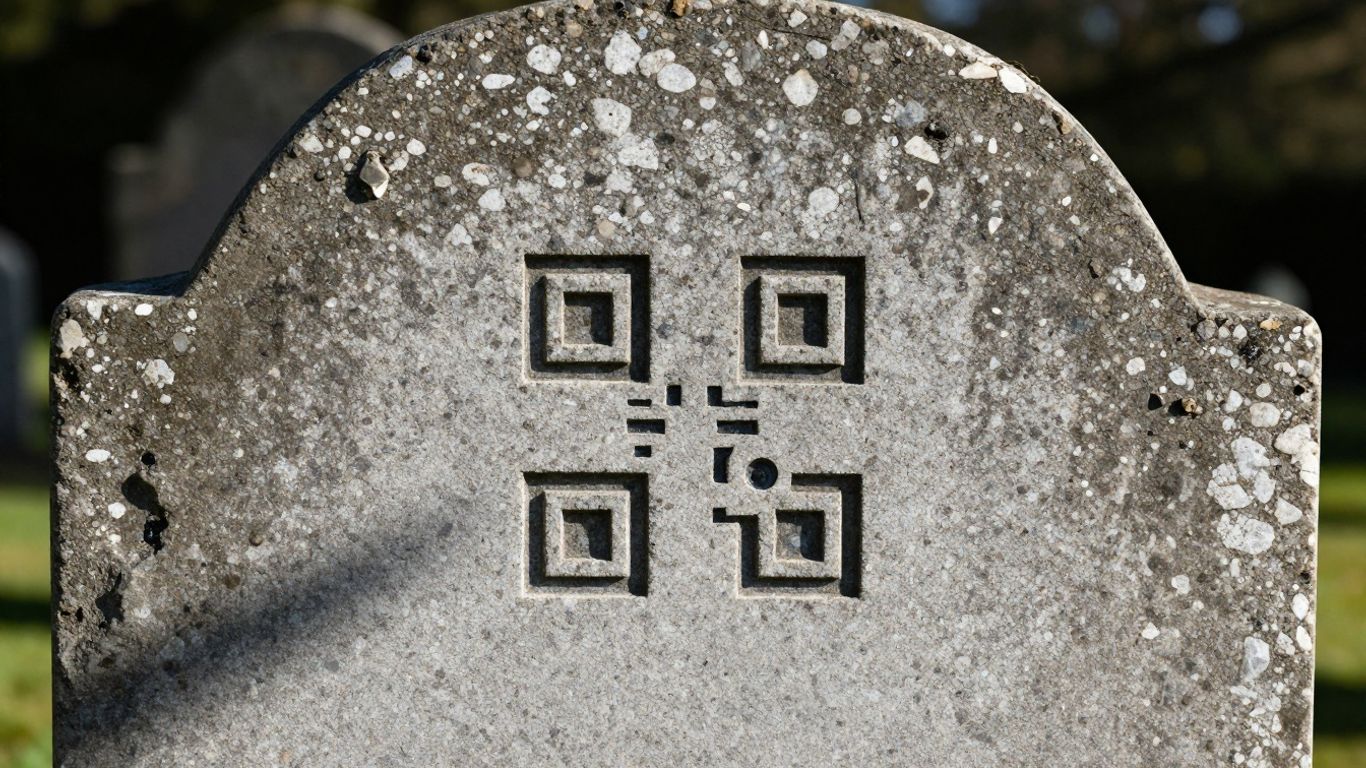
QR codes, those familiar black and white squares, are more than just a modern convenience; they’re a robust piece of technology that’s finding new applications, including in the sensitive area of memorialisation. At their core, QR codes are a type of two-dimensional barcode that can store a significant amount of information, from website URLs and text to contact details and even Wi-Fi credentials. When scanned by a smartphone camera or a dedicated app, the code translates this stored data into a usable format, bridging the physical world with the digital.
Understanding QR Code Functionality
The magic of a QR code lies in its structure. It’s designed with specific patterns that allow scanners to read it quickly and accurately, even if a portion of the code is damaged or obscured. This resilience is key, especially when considering outdoor applications like headstones. The amount of data a QR code can hold depends on its version and error correction level. For instance, a standard QR code can store up to 4,296 alphanumeric characters. This capacity means a single code can link to a webpage containing extensive life stories, photo galleries, or even video tributes.
In the UK, QR codes are already widely used for practical purposes. Many businesses employ durable, high-tack QR code stickers to track assets, prove compliance, or link equipment to digital instructions. For example, Transport for London uses them for asset tracking across its vast network, and stadiums like the Amex Stadium use them for equipment testing related to health and safety. This demonstrates the technology’s reliability and adaptability in demanding environments.
Durability and Environmental Considerations
When thinking about placing a QR code on a headstone, durability is paramount. The code needs to withstand the elements – rain, sun, frost, and general wear and tear. This is where the material and application method become critical. Unlike temporary stickers used for asset tracking, headstone QR codes are typically etched into stone, engraved onto metal plaques, or applied using highly durable, weather-resistant vinyl. These materials are chosen for their longevity and ability to maintain scannability over many years. Companies specialising in these solutions often use UV-resistant and waterproof materials, ensuring the code remains legible through changing seasons and weather conditions.
Linking To Secure Digital Content
One of the most compelling aspects of headstone QR codes is their ability to link to digital content. This content is usually hosted on a secure website or a dedicated memorial platform. It’s important that the digital space linked to the headstone is well-maintained and secure. Dynamic QR codes offer an advantage here; they can be updated after printing, meaning the linked content can be changed or improved over time without needing to replace the physical code itself. This flexibility allows families to add new memories or update information as needed. For example, a QR code could initially link to a simple biography, but later be updated to include a video message or a collection of recent family photos. The security of the linked content is also vital, preventing unauthorised changes and ensuring the digital legacy remains intact and respectful.
The technology behind headstone QR codes is straightforward but effective. It relies on a scannable matrix of data that translates into a digital link. The key to its success in memorialisation lies in the durability of the physical code and the security and longevity of the digital content it points to. This combination creates a lasting, accessible tribute.
Benefits For Families And Future Generations
Preserving Memories Digitally
One of the most significant advantages of headstone QR codes is their ability to act as a digital archive for a loved one’s life. Beyond the limited space on a traditional headstone, these codes can link to a wealth of information. Imagine a dedicated webpage or digital profile containing photographs, videos, written anecdotes, family trees, and even audio recordings. This creates a living memorial that can be accessed and updated, offering a far richer and more personal way to remember someone. For instance, organisations use durable, high-tack QR code stickers to track assets, proving compliance or linking equipment to digital instructions. This same principle of durable, accessible digital information can be applied to memorials, ensuring the legacy is preserved against the elements and the passage of time. Connecting with digital legacies becomes a tangible reality.
Facilitating Family Connections
These digital memorials can also serve as a hub for family connections. As families grow and spread out, a shared digital space can help younger generations learn about their ancestors and feel a stronger connection to their heritage. It provides a central point for sharing memories and stories, keeping the deceased’s presence alive within the family narrative. Think of it as a digital family album, accessible to anyone with a smartphone, no matter where they are in the world. This can be particularly comforting for those who may not be able to visit the grave regularly.
Educational Opportunities For Descendants
For children and grandchildren, a headstone QR code can be an invaluable educational tool. Instead of just seeing a name and dates, they can scan the code and be transported into the life story of the person they are commemorating. They can learn about their achievements, their passions, and the times they lived in. This interactive approach makes history more relatable and personal. It’s a way to pass down not just a name, but a legacy of experiences and a sense of identity. Many UK organisations already use QR code stickers for asset tracking and compliance, demonstrating the technology’s reliability in providing clear, accessible information. This same reliability can be applied to preserving personal histories for future generations.
The Growing Acceptance Of Headstone QR Codes
Learning From Early Implementations
It’s understandable that the idea of QR codes on headstones might initially raise eyebrows. We’ve seen instances, like the peculiar case in Munich where a maintenance company used QR code stickers for internal tracking, which caused confusion and concern. This wasn’t about digital memorials, but a logistical oversight. However, these situations, while unsettling, actually highlight the need for clear communication and proper procedures. They also show how easily technology can be misunderstood if not implemented thoughtfully. The key takeaway from such events is the importance of consent and clear purpose when using QR codes in sensitive contexts. It’s not about the technology itself, but how it’s applied. For instance, organisations like Transport for London use durable, high-tack labels with QR codes to track assets across their network, proving compliance and linking equipment to digital instructions. This practical application demonstrates the reliability of QR codes when used for specific, agreed-upon purposes.
The Role Of Technology In Modern Grief
Technology is increasingly woven into the fabric of our lives, and it’s natural that it would also find a place in how we remember and grieve. The pandemic, in particular, accelerated our reliance on digital tools for connection and remembrance. Many people became familiar with scanning QR codes for everything from restaurant check-ins to accessing information. This widespread familiarity means that the concept of a headstone QR code is less alien than it might have been just a few years ago. It’s becoming a more accepted way to bridge the gap between traditional memorials and the digital world, offering a new dimension to digital remembrance.
A Shift Towards Digital Memorialisation
We’re seeing a gradual but definite shift in how we approach memorialisation. It’s moving beyond just the physical headstone to incorporate digital elements that can tell a richer story. This isn’t about replacing tradition, but augmenting it. Think of it as adding layers to a person’s legacy. For example, many businesses now use QR code stickers to track assets or link equipment to digital instructions, showing how this technology is becoming a standard for information management. This practical use case helps build trust in the technology’s reliability. As more families explore ways to share life stories and memories, the headstone QR code is emerging as a practical and respectful option, offering a way to keep a loved one’s memory alive in a dynamic and accessible format. This evolution reflects a broader trend towards integrating memories into daily life.
Looking Ahead: The Evolving Role of Digital Legacies
It’s clear that the humble QR code is finding its place in how we remember and connect with the past. While the initial idea might have been met with some surprise, its practical application in honouring legacies is becoming more common. As technology continues to evolve, we can expect even more thoughtful and respectful ways for these digital markers to integrate into our lives, offering a bridge between remembrance and the present day. It’s a quiet shift, but one that speaks volumes about how we choose to keep memories alive.
Frequently Asked Questions
What exactly is a headstone QR code?
A headstone QR code is like a special barcode on a gravestone. When you scan it with your phone, it can take you to a website or a digital page with more information about the person who has passed away. Think of it as a digital way to remember someone.
How do these QR codes help remember someone?
These codes can link to a special webpage where family members can share stories, photos, and videos of the person. It’s a way to keep their memory alive and share it with others, going beyond just the name and dates on the stone.
Are headstone QR codes allowed everywhere in the UK?
It’s a new idea, so rules can differ. Some cemeteries or churchyards might have their own rules about what can be added to a headstone. Families usually need to check and get permission before adding one.
What happens if the QR code gets damaged?
Good quality QR codes are made to last, often from durable materials that can handle the weather. If a code does get damaged, it can usually be replaced. The digital information it links to is stored safely online, so that part is usually fine.
Is it respectful to use QR codes on graves?
Most people think it can be a very respectful way to remember someone, especially if the digital content is thoughtful and celebrates their life. The key is to make sure it’s done with care and doesn’t feel out of place.
Who puts the QR code on the headstone?
Usually, it’s the family of the person who has died who arranges for a QR code to be added. They might get a special plaque made with the code on it, or sometimes the code is directly engraved into the stone itself.