

Thinking about using QR code stickers UK for your business? It’s a smart move to bridge the gap between your physical products and the online world. Whether you’re in retail, hospitality, or just want to make your packaging more interactive, custom QR labels can really help. This guide will walk you through how to order them, what to look out for, and how to make sure they work perfectly.
Key Takeaways
QR code stickers UK are a great way to link physical products to digital content, useful for retail, hospitality, and packaging.
When ordering, consider the size and material of your QR code labels to ensure they are durable and scannable.
You can choose from various types of QR code stickers, including vinyl for outdoor use and specific labels for product packaging.
Compare printing options, looking at online platforms versus specialist suppliers, and decide between standard or custom designs.
Ordering online typically involves a simple step-by-step process, including preparing your QR code files for printing.
Why Businesses Use QR Code Stickers
Common Uses in Retail, Hospitality, and Packaging
QR code stickers offer a straightforward way to bridge the gap between your physical products and digital information. In retail, you might use them on shelves to link customers to product reviews or stock availability. For restaurants, qr code stickers for restaurant menus are now standard, allowing for easy updates and a touchless experience. On packaging, they can provide detailed usage instructions, ingredient lists, or even direct customers to your website for reordering. It’s a practical method to give customers more information without cluttering the product itself.
How QR Labels Connect Offline Products to Digital Content
Essentially, a QR code sticker acts as a digital doorway. When a customer scans the code with their smartphone, they are instantly taken to a pre-defined online destination. This could be a webpage, a PDF document, a video, or even a social media profile. For businesses, this means you can update the linked content without needing to reprint your labels, which is particularly useful for dynamic information like promotions or event details. This connectivity is also vital for asset management, where qr code asset tracking labels allow for quick identification and status updates of equipment. It’s a simple yet effective way to make your offline items more interactive and informative, driving engagement and providing instant access to information.
The key benefit is the immediate link created. A customer sees a product, scans the code, and gets more detail or a special offer. This interaction can happen anywhere – on a shelf, a menu, or a piece of equipment. It’s about making information readily available at the point of need.
QR Code Stickers UK: What to Consider Before Ordering
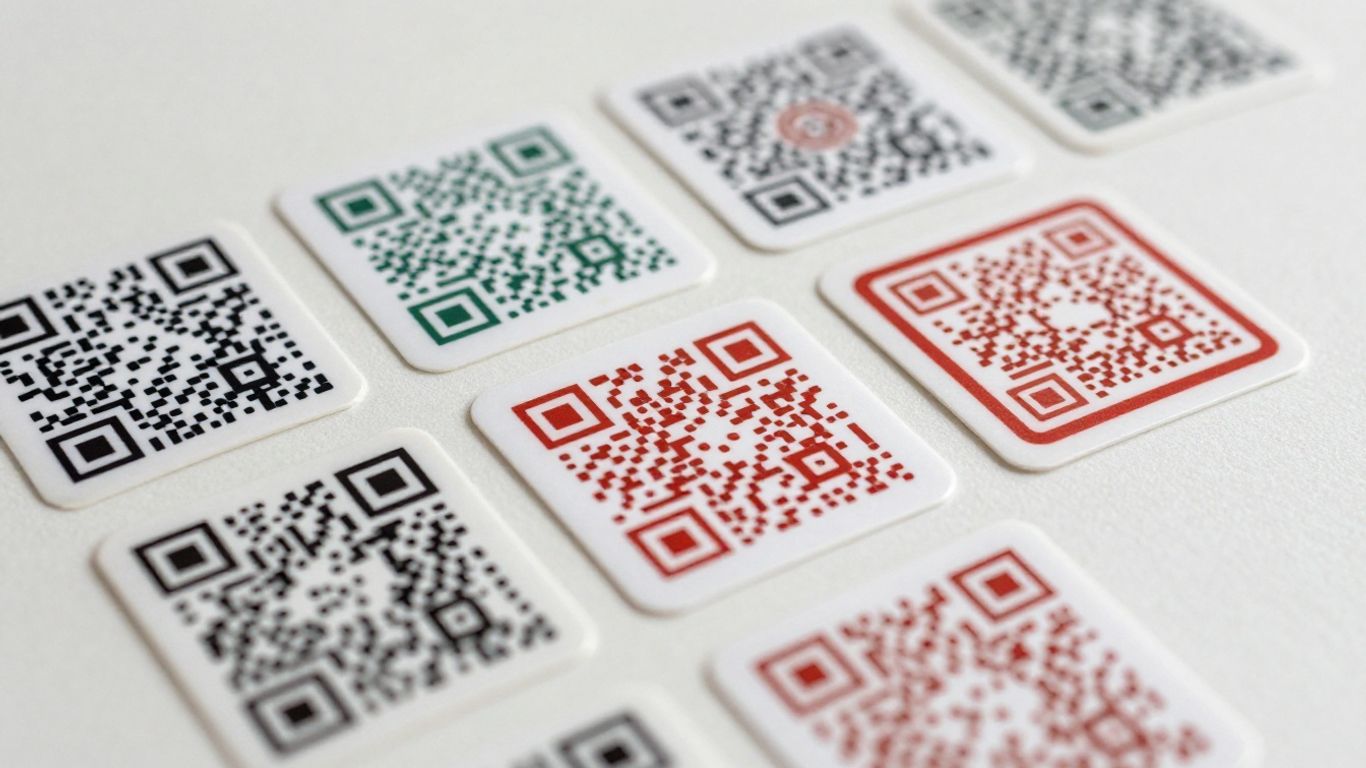
Before you order your custom QR code stickers in the UK, take a moment to think about a few key details. Getting these right upfront can save you time and prevent issues later on. It’s about making sure the stickers you receive do exactly what you need them to do.
Choosing the Correct QR Code Sticker Size
The size of your QR code sticker matters. A sticker that’s too small might be hard to scan, especially if it’s placed on a busy product or at a distance. Conversely, a sticker that’s too large might not fit where you intend to place it. Consider the typical scanning distance and the amount of data you need to encode. For most common uses, like linking to a website or social media profile, a size of around 1×1 inch is often sufficient. However, if you’re encoding a lot of information or expect people to scan from further away, you’ll need a larger sticker. Always check with your supplier about recommended sizes for your specific data load. You can find advice on sticker size to help you decide.
Materials for Durable QR Code Labels
Think about where your QR code stickers will be used. If they’re going on products that will be handled frequently, exposed to weather, or cleaned, you’ll need durable materials. Standard paper stickers might peel or fade quickly. For outdoor use or harsh environments, look for waterproof qr code stickers uk made from vinyl or other robust materials. These can withstand moisture, UV light, and general wear and tear. If you need stickers for temporary applications, like events, consider removable adhesives that won’t leave residue. Choosing the right material ensures your QR code remains scannable and your message stays visible for as long as you need it to.
Here’s a quick look at common material choices:
Vinyl: Excellent for outdoor use, durable, and water-resistant.
PET: A strong plastic option, good for demanding environments.
Paper: Best for indoor, short-term applications where durability isn’t a major concern.
Always ask for samples if you’re unsure about material performance. Testing a sample in your intended environment is the best way to confirm its suitability before placing a large order.
Types of Custom QR Code Stickers Available
Vinyl QR Code Stickers for Outdoor Use
When your QR code stickers need to withstand the elements, vinyl is a sensible choice. These are robust and can handle moisture, sunlight, and general wear and tear. You might use these for outdoor signage, vehicle branding, or on products that are stored or used outside. Ordering custom vinyl stickers with QR codes means you can specify the exact size and shape needed for your application. Consider a custom QR code vinyl sticker for a permanent fixture on equipment or for promotional use at outdoor events. They offer a durable way to link physical items to digital information.
Packaging and Product QR Labels
For products on shelves or packaging, the right QR code label is important. You want something that looks professional and scans easily. Custom QR code stickers with logos can reinforce your brand identity directly on the product. These labels are often smaller, so ensuring the QR code size is appropriate for scanning is key. Think about the surface of your packaging – is it glossy, matte, or textured? This will influence the material and adhesive you choose for your custom QR code labels for packaging. Waterproof options are often a good idea here, especially for food or drink items. You can even get specific labels like waterproof Instagram QR code sticker labels if that’s your target platform.
The material and finish of your QR code stickers directly impact their longevity and scannability, especially in varied environments. It’s not just about the code itself, but how it’s presented and protected.
Comparing QR Code Sticker Printing Options
Choosing where to order your custom QR code stickers in the UK hinges on more than just cost. The right choice affects everything from scan reliability to how quickly you can restock. Here’s what you need to know about the main printing routes.
Online Printing Platforms vs Specialist QR Label Suppliers
There are notable differences in the services you’ll get from big online print platforms compared to specialist QR label suppliers:
Feature | Online Print Platforms | Specialist QR Label Suppliers |
|---|---|---|
Price | Lower, bulk discounts | Competitive, tailored costing |
Scannability Checks | Rarely included | Artwork proofing and scan testing |
Material Choices | Standard selection | Broad options, incl. durability |
Turnaround | Rapid, often next-day | Fast, with technical support |
Personal Support | Automated | Direct contact with a real person |
Brand Customisation | Limited | Full brand and technical editing |
Specialist suppliers check your QR codes for scannability, correct margins, and contrast, greatly reducing risk. If you’re new to QR code sticker printing or your project is critical, you’ll appreciate this added layer of quality control. For completely bespoke layouts or unusual applications, expert input is often a necessity. If you need professional advice, it’s worth contacting a specialised UK provider through their personalised sticker printing service.
Online platforms suit fast, standard jobs (but proofing is on you).
QR specialist firms supply proofs, advise on size, and offer more tough materials.
If you need scan reliability—retail, asset tracking, or regulatory compliance—go with expertise.
Mistakes in QR sticker print—like low contrast or missing quiet zones—can leave codes unscannable. Fixing errors after the fact means waste and extra cost.
Custom QR Code Stickers vs Standard Sticker Printing
Standard sticker shops will print designs with QR codes, but often do not check if the code is scannable at the final size or in your chosen colour.
Custom QR code printing exists for a reason—these printers add real value beyond the actual label:
They guide you on QR code scale and module size for your target scan distance.
Specialist support means you get options for label shape, extreme durability, or removable adhesives.
Full flexibility: request unique designs or sequential/variable codes for tracking.
Here’s a comparison in bullet points for easy recall:
Standard sticker print: fast, cheap, but you take on the scan risk.
Custom QR sticker services: scans tested, size/colour advice, sequential variable codes.
Support for static QR, dynamic (editable) URLs, and analytics features.
If it’s just a personal project, a general platform may do. If the QR links anything important—assets, packaging, menus, compliance—you typically want more than the basics. For a wide range of custom QR code sticker solutions, specialist firms cover all these needs.
In summary, if you value certainty and need the code to work first time, invest in proven QR code sticker printing expertise. For those wanting ultimate flexibility in shape, size, and finish, choose a UK-based print provider offering full customisation and proofing.
How to Order Custom QR Code Stickers Online
Ordering your custom QR code stickers is a straightforward process. You’ll want to be clear about your requirements to ensure you get exactly what you need. Most suppliers offer a few ways to get started, catering to different preferences.
Step-by-Step Ordering Process
Choose Your Supplier: Look for UK-based printers who specialise in custom labels. Consider their turnaround times and material options.
Specify Your Needs: You’ll need to provide details like the quantity of stickers, their size, the material (e.g., vinyl for durability), and any specific finishes.
Provide Your QR Code: If you already have your QR code generated, you’ll usually upload this file. If not, some suppliers offer a generator service or can advise on creating one.
Approve the Proof: Before printing begins, you’ll receive a digital proof. This is a critical step to check the QR code’s scannability and the overall design.
Production and Delivery: Once approved, the stickers are printed and dispatched. Many UK suppliers offer fast turnaround and tracked delivery.
Preparing QR Code Files for Printing
Getting your QR code ready for print is important for a good result. You don’t want to order a batch of stickers only to find they don’t scan properly.
File Format: Vector files (like SVG, AI, or PDF) are best. They scale without losing quality, which is vital for sharp QR code modules.
Resolution: If you must use a raster format (like PNG or JPG), ensure it’s high resolution (at least 300 dpi) at the intended print size.
Quiet Zone: Make sure there’s a clear space, often called a ‘quiet zone’, around the QR code. This border is essential for scanners to read the code accurately. Most printers will advise on the correct size.
Colour Contrast: Use dark modules on a light background. Avoid low-contrast colour combinations, as this can significantly hinder scannability. If you’re adding a logo, ensure it doesn’t obscure too much of the code.
When ordering, be specific about the environment the stickers will be used in. This helps determine the best material and finish to ensure they last and remain scannable, avoiding costly reprints later on. For example, outdoor use requires robust vinyl with protective lamination.
Avoiding Common QR Sticker Printing Mistakes
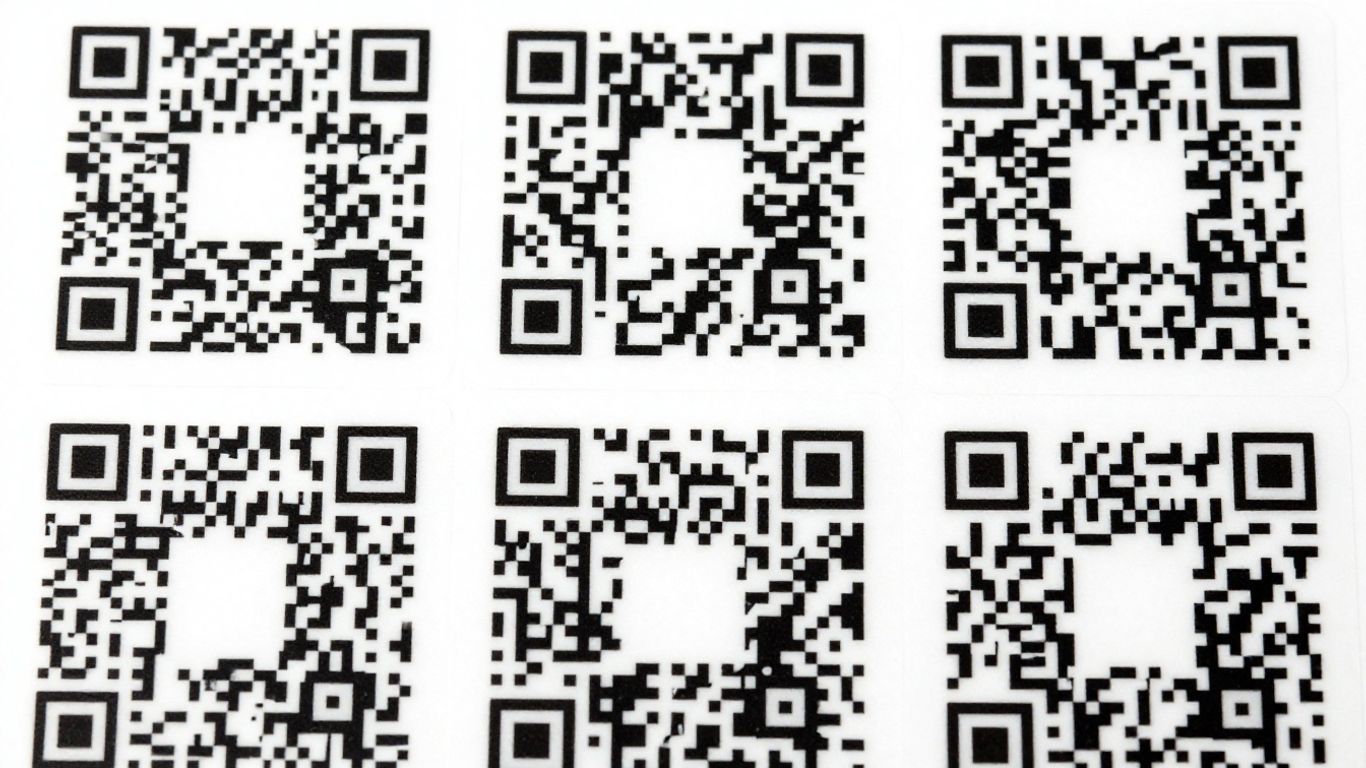
Printing Errors That Break QR Code Scanning
It’s easy to overlook small details when ordering custom QR code stickers, but these can cause big problems. A common issue is poor contrast between the QR code and its background. If the colours are too similar, scanners struggle to read the code. Always aim for dark modules on a light background. Avoid using light colours on light backgrounds or dark colours on dark backgrounds. Another pitfall is overloading the QR code with too much data. This makes the pattern dense and harder to scan, especially at smaller sizes. Using short URLs for dynamic QR codes helps keep the pattern clean. Remember, a QR code that doesn’t scan is just a wasted sticker.
Choosing the Right Sticker Material for Long-Term Use
The material you choose for your QR code stickers directly impacts their lifespan and scannability. For outdoor use or areas that get cleaned frequently, standard paper stickers won’t cut it. They’ll degrade quickly, making the QR code unreadable. You need durable materials like vinyl. These are more resistant to moisture, UV light, and general wear and tear. Consider adding a matte laminate finish. This reduces glare, which significantly improves scanning performance, especially in bright conditions. Investing in the right material upfront saves money and hassle down the line.
When printing QR code stickers, it’s easy to make mistakes. We’ve put together a guide on how to avoid these common errors. Want to make sure your stickers are perfect? Visit our website for expert tips and advice.
Wrapping Up Your QR Code Sticker Order
So, you’ve looked into ordering custom QR code stickers for your business. It’s not just about slapping a code on a label; getting it right means thinking about the material, the size, and how it’ll be used. Messing this up can lead to frustrating customer experiences or even wasted money on prints that don’t scan. By now, you should have a clearer picture of what specifications matter for reliable scanning and how to approach suppliers in the UK. Remember to check the details, ask for proofs, and consider your specific needs, whether it’s for indoor use, outdoor durability, or special adhesives. Taking these practical steps helps you avoid common pitfalls and ensures your QR code stickers do the job they’re meant to, effectively connecting your business with your customers.
Frequently Asked Questions
What are QR code stickers and why do businesses use them?
QR code stickers are small labels with a square, pixelated pattern that smartphones can scan. Businesses use them to quickly link customers from a physical product or location to online content, like a website, menu, or special offer. It’s a neat way to bridge the gap between the real world and the digital one, making it super easy for people to get more information or interact with your brand.
What should I think about before ordering custom QR code stickers?
Before you order, consider the size you need – will it be scanned from far away or up close? Also, think about where the stickers will be used. If they’re going outside or on something that gets handled a lot, you’ll want durable, waterproof materials like vinyl. For indoor use on packaging, paper might be fine. Getting the material right ensures your QR code stays readable and looks good.
Can I get QR code stickers in different materials?
Absolutely! You can get them made from various materials to suit your needs. Common options include tough vinyl for outdoor use, paper for general purposes, and even clear stickers. Some suppliers offer special finishes too, like a protective laminate to make them last even longer, especially if they’ll be exposed to weather or heavy use.
How do I order custom QR code stickers online?
Ordering is usually straightforward. You’ll typically go to a supplier’s website, choose the size, material, and quantity you need. You might upload your own QR code design or use their tools to create one. After placing your order, they’ll often send you a digital proof to check before printing. Once you approve it, they’ll print and ship your custom stickers.
What's the difference between standard and custom QR code printing?
Standard printing usually means basic black and white QR codes. Custom printing allows you to add your logo in the centre, use your brand colours, and choose specific shapes or finishes. While a standard code works fine, a custom one can look more professional and reinforce your brand identity, as long as it’s designed carefully to ensure it still scans perfectly.
What happens if my QR code sticker doesn't scan?
If a QR code sticker doesn’t scan, it’s usually because of the printing quality or the design itself. This could be due to the size being too small, poor contrast between the colours, a logo obscuring too much of the code, or the material being reflective or damaged. Choosing a reliable UK supplier who provides proofs and uses quality printing methods helps avoid these issues.